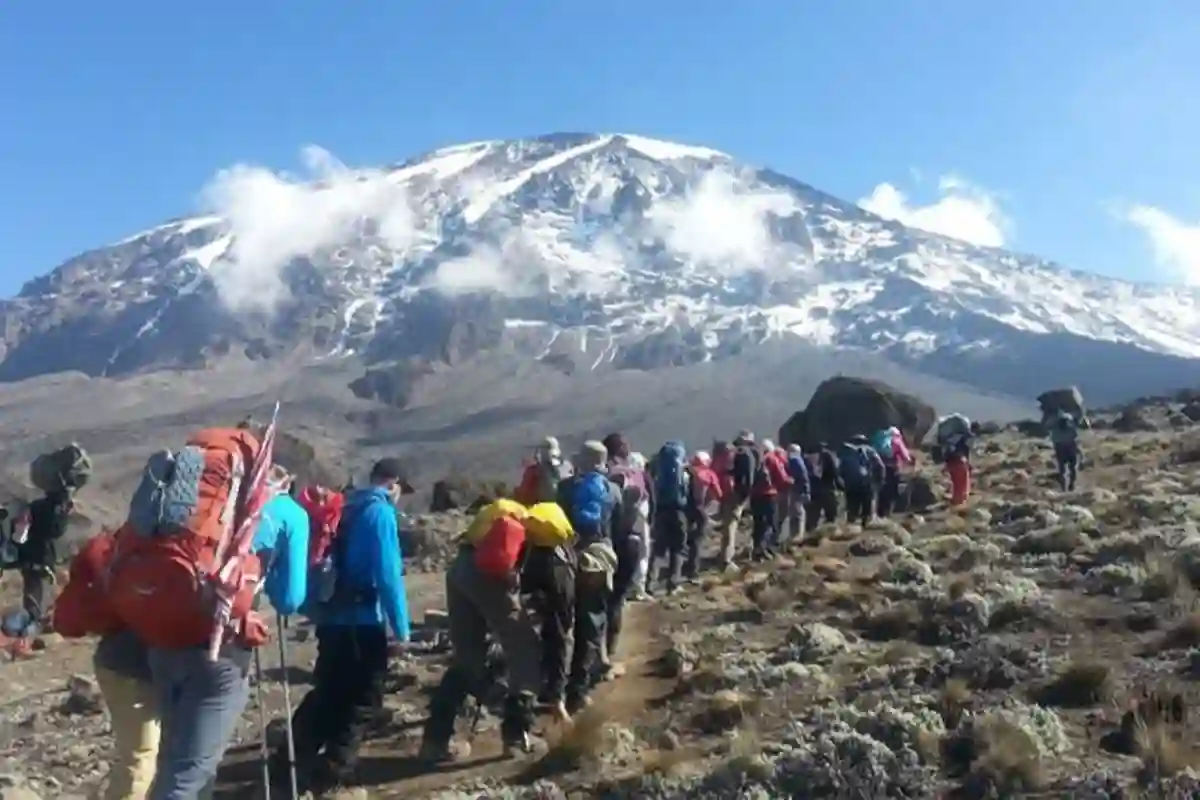
Mount Kilimanjaro is Africa's most iconic mountain, rising dramatically above the plains of Northern Tanzania. Even if you're not doing a full summit climb, the Kilimanjaro region is a beautiful place to visit—offering mountain views, local culture, and a gateway atmosphere from nearby Moshi and Arusha.
Kilimanjaro's geological origins tell a story of immense volcanic activity. The mountain consists of three distinct cones: Kibo (the highest, with its famous glacial crater), Mawenzi (a jagged peak requiring technical climbing), and Shira (an eroded plateau that was once the highest point before Kibo's eruptions). Though dormant, Kilimanjaro's volcanic history created the rich soils that support the lush agriculture on its lower slopes—banana, coffee, and various vegetables thrive in this fertile belt. Understanding this geological context adds depth to the trek, as you literally walk through millions of years of natural history.
The human history surrounding Kilimanjaro is equally rich. The Chagga people, the mountain's traditional inhabitants, developed sophisticated agricultural systems and a vibrant culture adapted to life on Kilimanjaro's slopes. Their intricate irrigation channels (furrows) still carry water from mountain streams to farms below, a testament to pre-colonial engineering. Chagga caves, carved into hillsides, served as defensive refuges during conflicts and later as storage. Many treks include optional village visits where you can learn about Chagga traditions, taste banana beer, and understand how communities have lived in Kilimanjaro's shadow for centuries. This cultural dimension transforms a physical challenge into a journey through living history.
Success on Kilimanjaro depends on preparation and mindset. Physical fitness matters—cardiovascular endurance, leg strength, and mental toughness all contribute—but the mountain's greatest challenge is altitude. Our itineraries build in crucial acclimatization days following the principle of "climb high, sleep low," allowing your body to adjust to decreasing oxygen. Guides check oxygen levels and symptoms daily, making safety decisions with your wellbeing as the priority. We recommend training before your trip (hiking with a loaded pack, stair climbing, cardiovascular work) and preparing mentally for early mornings, variable weather, and the inevitable moments when summit night tests your resolve. With proper preparation and support, climbers of reasonable fitness can achieve their goal.
Weather on Kilimanjaro varies dramatically by zone and season. The mountain has its own climate systems, often creating clouds that form around its middle slopes while the summit remains clear. The main climbing seasons correspond to dry periods: January-March and June-October offer the most stable conditions, though "stable" is relative—you might experience sunshine, rain, snow, and bitter cold all in a single day. The key is preparation: quality gear (proper boots, layered clothing, sleeping bag rated for sub-zero temperatures) makes the difference between misery and comfort. Our pre-trek briefings include detailed packing guidance, and we offer gear rental in Moshi for those traveling light.
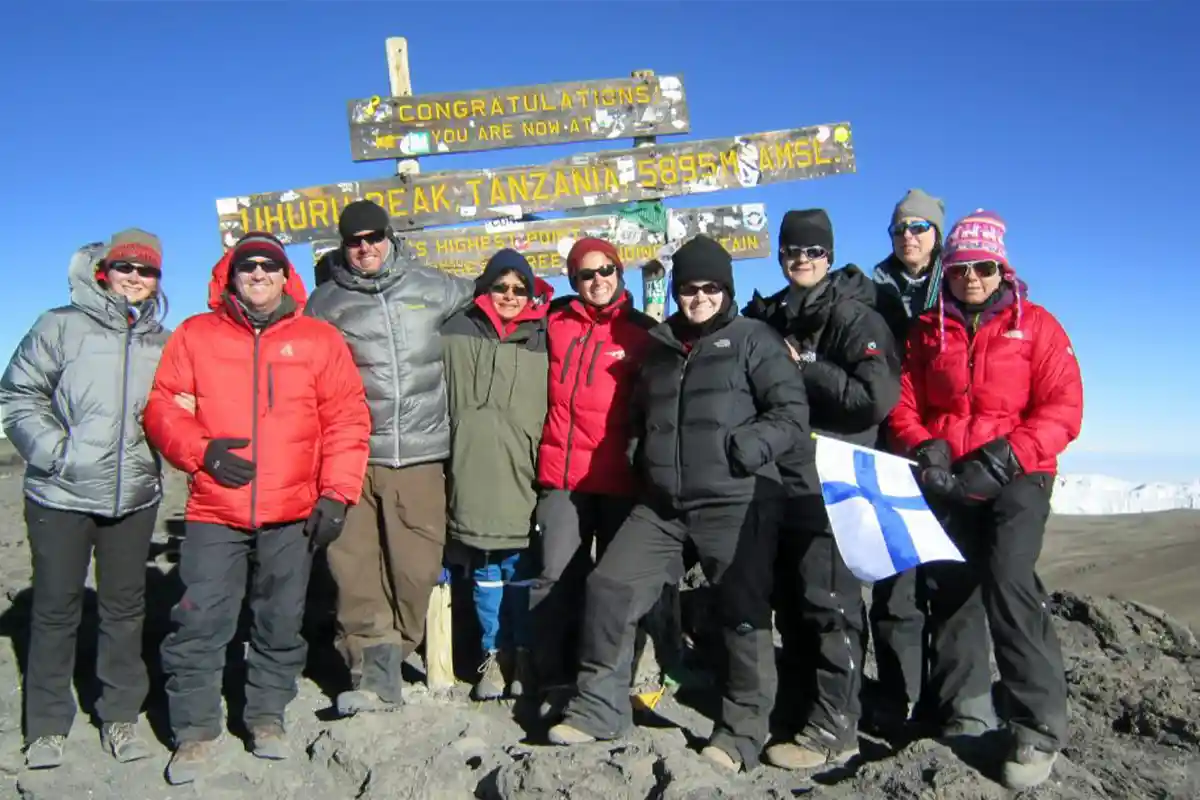
The ultimate reward comes on summit morning. Starting around midnight, climbers begin the final ascent by headlamp, moving slowly up steep switchbacks through darkness and cold. The hours pass in a focused rhythm—one step at a time, breath by breath. Then, as dawn approaches, the sky begins to lighten. If conditions cooperate, the sun rises over Mawenzi, casting golden light across the glaciers while clouds fill the valleys thousands of meters below. Reaching Uhuru Peak, hugging fellow climbers, taking those impossible photos—these moments become lifelong memories. The descent brings its own satisfaction, celebrating with your team, exchanging stories, knowing you've joined the select few who've stood atop Africa.
Share your dates and what you want to achieve, and we'll recommend the best Mount Kilimanjaro plan—whether that's a short experience or a trek that fits into a wider Tanzania itinerary.
Browse our available safari packages: