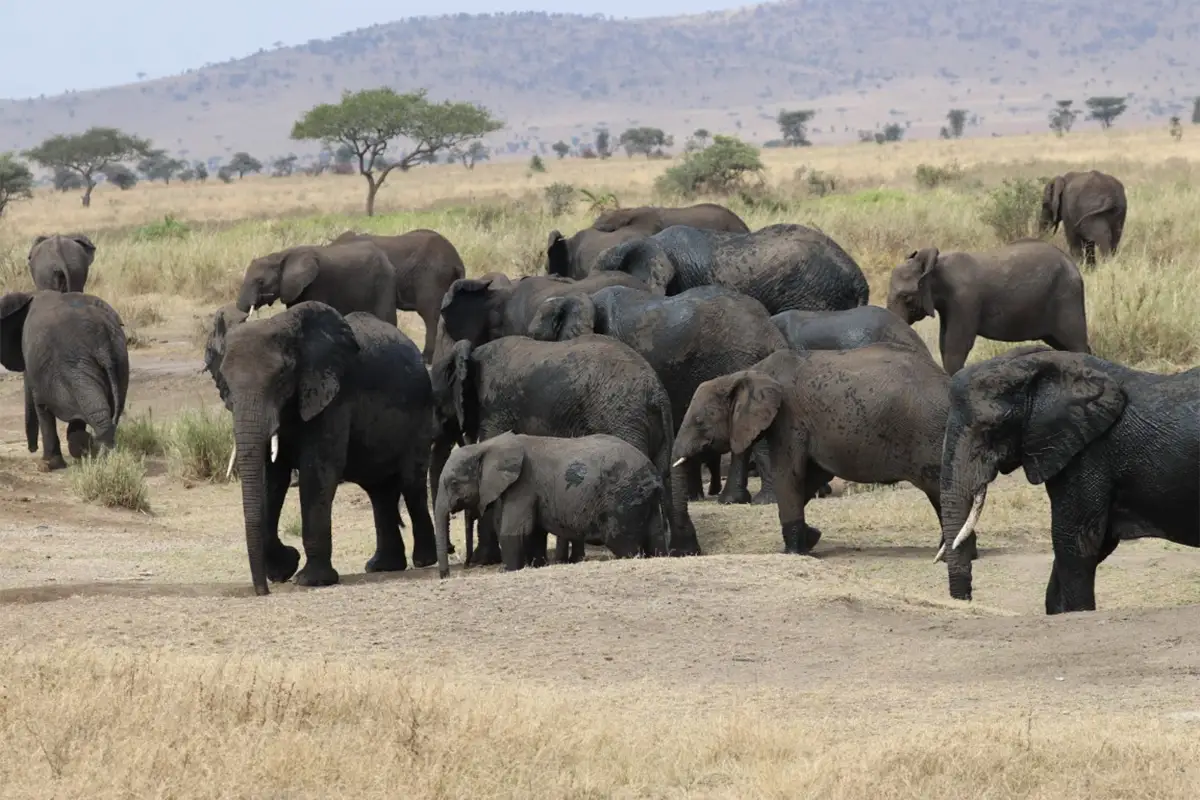
Tarangire National Park is known for its elephant populations, beautiful baobab-dotted landscapes, and wildlife drawn to the Tarangire River. It offers classic game drives through varied habitats including woodlands, plains, and riverine areas.
Established in 1970, Tarangire covers approximately 2,850 square kilometers, making it the sixth-largest national park in Tanzania. Its name derives from the Tarangire River that flows through its center, a permanent water source that defines the park's ecology and wildlife patterns. The park forms part of the larger Tarangire ecosystem, which extends beyond park boundaries to include surrounding conservation areas, allowing for seasonal wildlife movements that have occurred for millennia.
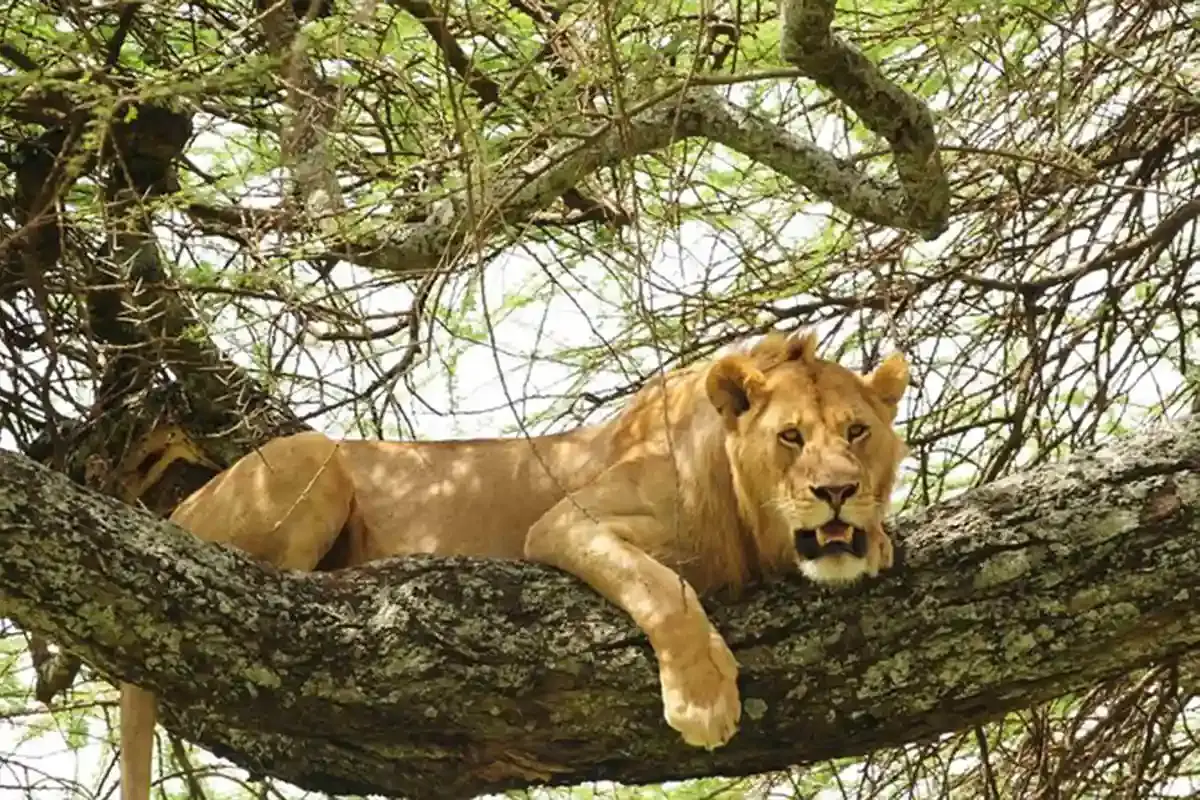
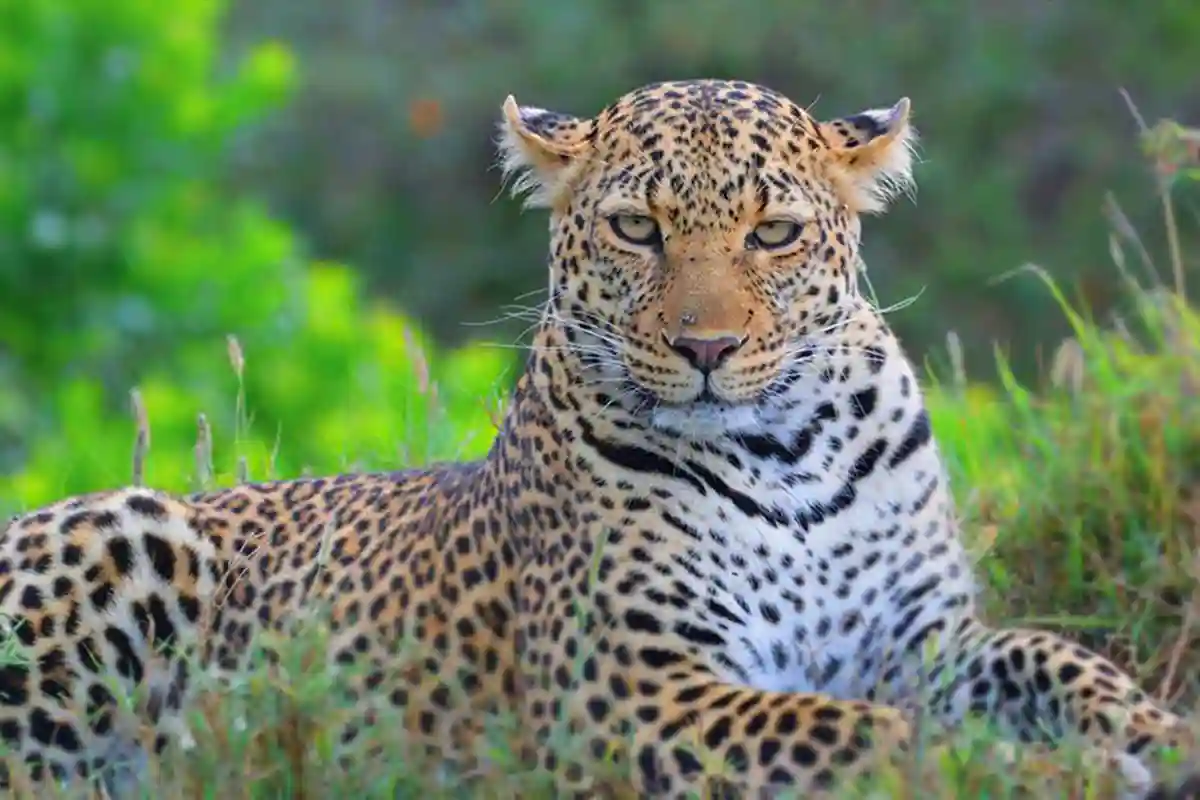
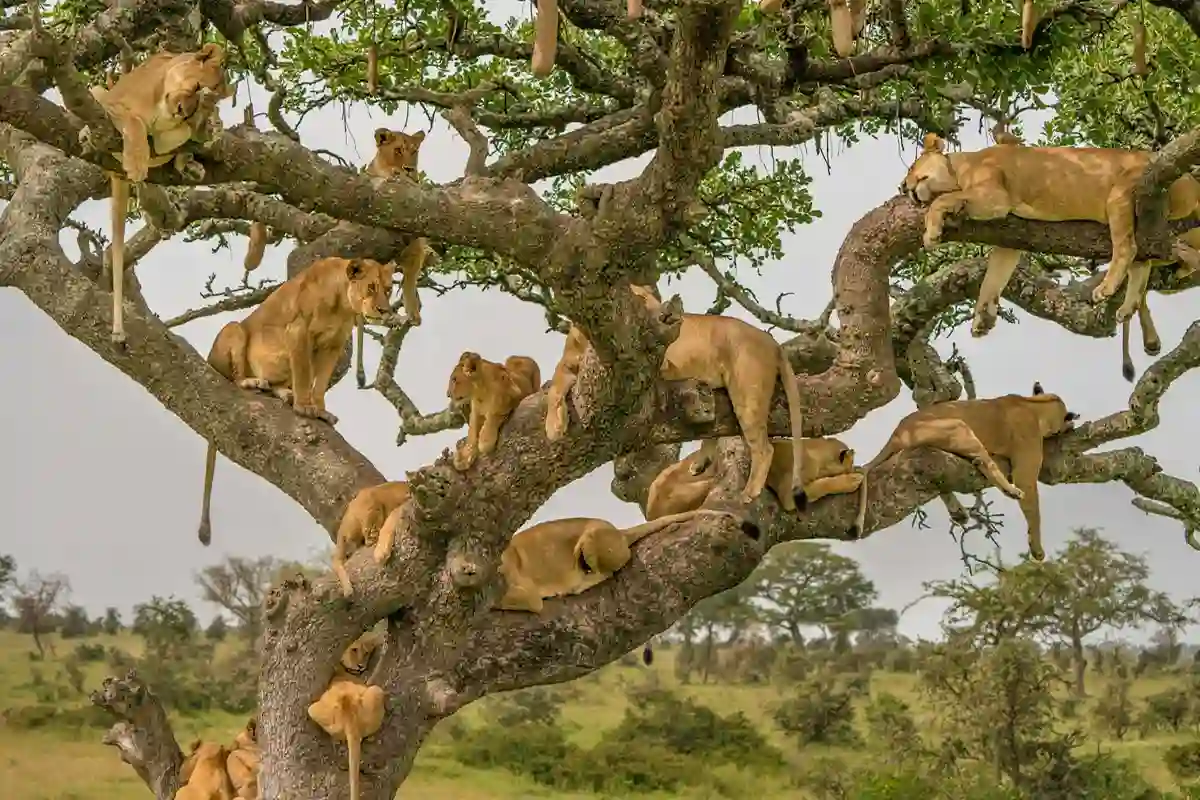
The dry season (June to October) transforms Tarangire into a wildlife spectacle rivaling better-known parks. As temporary water sources evaporate across the ecosystem, animals concentrate along the permanent river. Wildebeest, zebra, buffalo, and gazelle gather in huge herds, followed by predators including lion, leopard, cheetah, and spotted hyena. During these months, game drives reveal wildlife densities comparable to Ngorongoro Crater, with the added beauty of baobab-studded scenery. The sheer number of elephants—often hundreds in a single view—creates unforgettable memories.
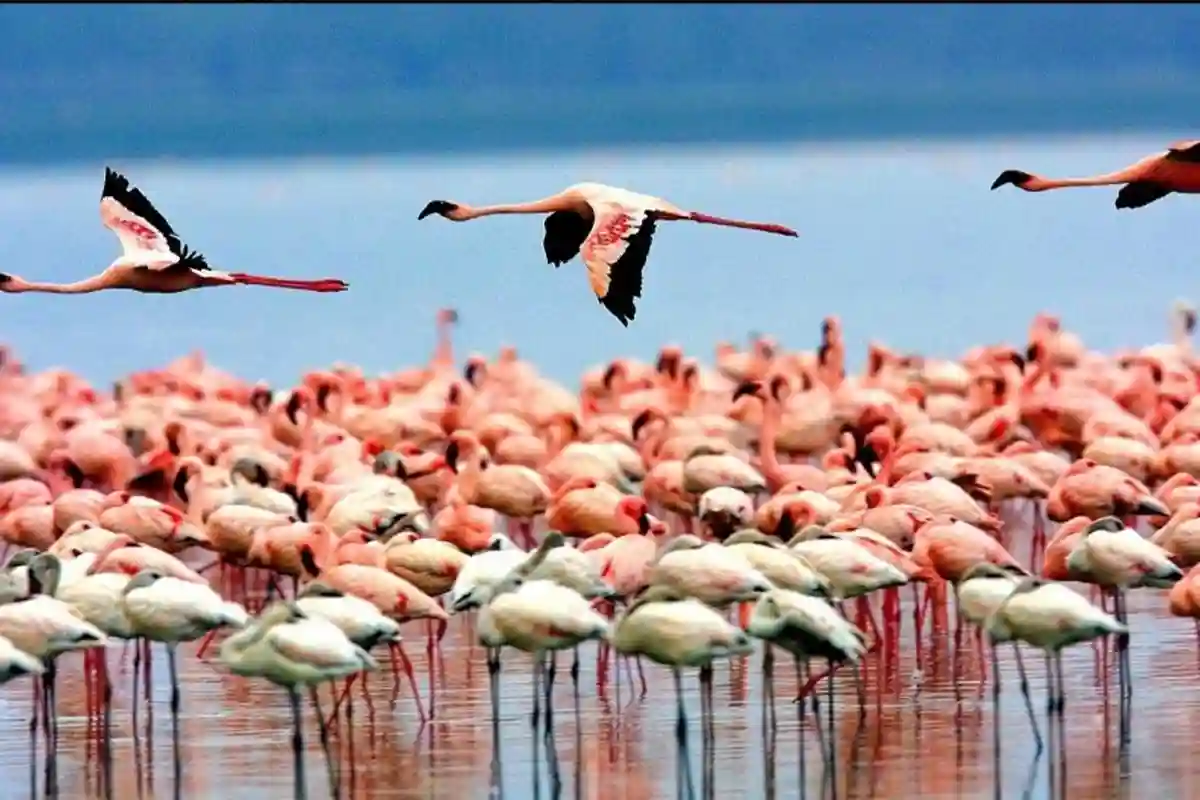
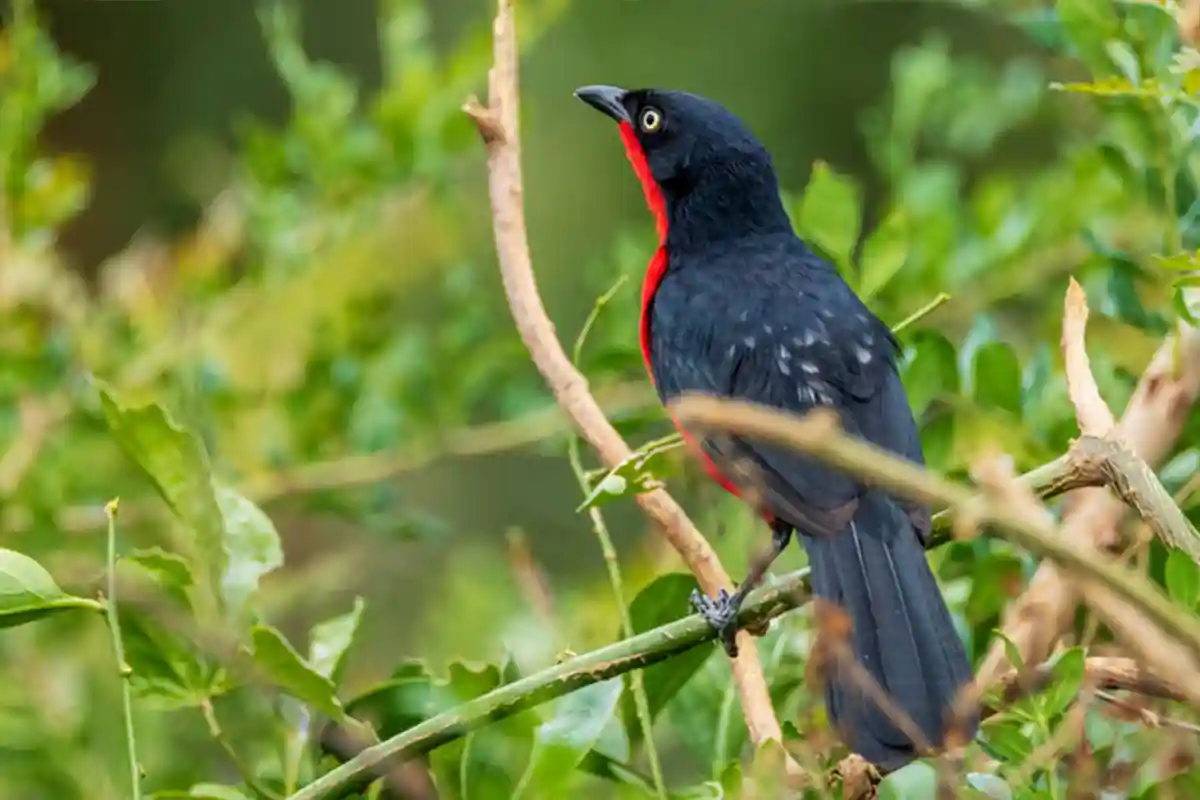
Wet season visits (November to May) offer different but equally rewarding experiences. The landscape transforms into lush green, wildflowers bloom, and migratory birds arrive from Europe and Asia. Many animals disperse across the expanded ecosystem, but this challenges guides to track them, often leading to more intimate sightings away from crowds. Calving season (January-March) brings newborn wildebeest, zebra, and gazelle, attracting predators and offering dramatic wildlife interactions. The park is quieter, rates may be lower, and photography benefits from dramatic skies and vibrant colors.
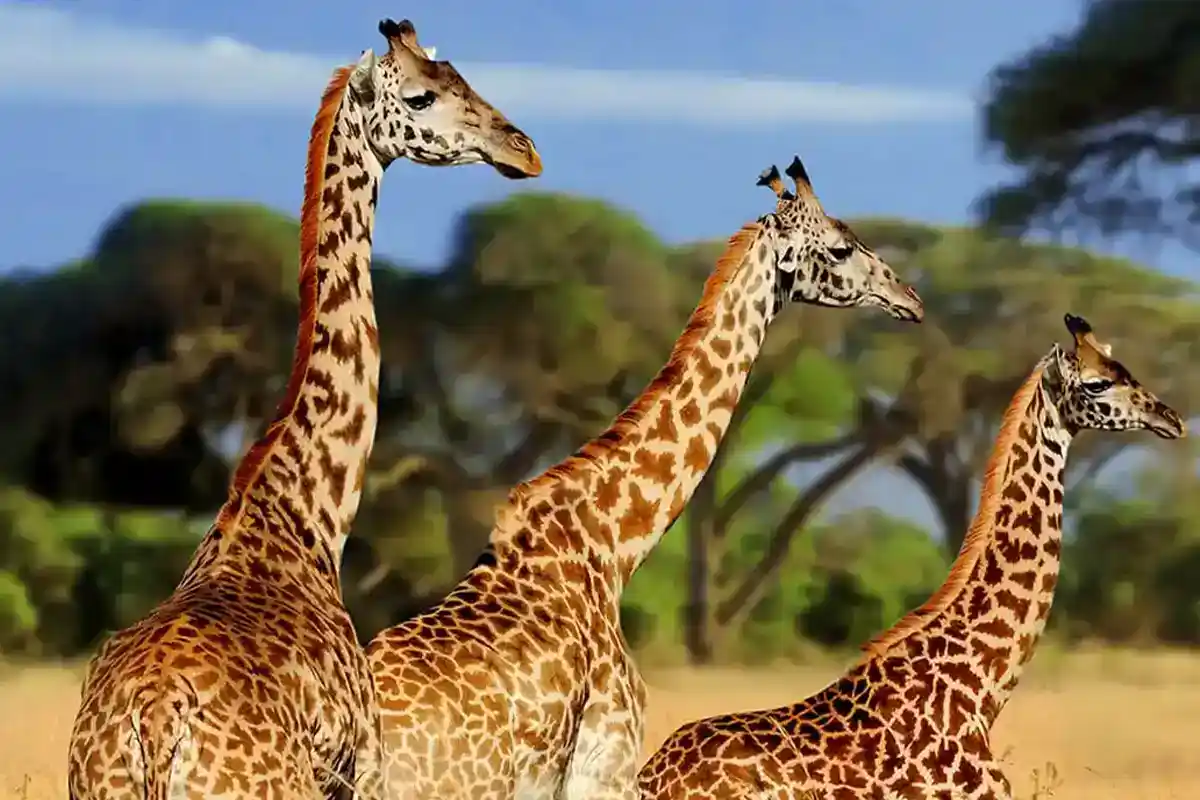
Tarangire's habitats create exceptional diversity. The riverine forest along the Tarangire River provides cool shade and supports species including monkey, bushbuck, and countless birds. Acacia woodland dominates much of the park, home to giraffe, dik-dik, and the park's famous tree-climbing pythons (often seen draped over branches digesting meals). Open grassland supports grazing herds and their predators. Seasonal swamps (including the famous Silale Swamp) attract water-dependent species even during dry months. This habitat variety ensures each game drive reveals different wildlife communities.
The park holds special significance for safari connoisseurs who appreciate its authentic atmosphere. Unlike some parks where vehicles concentrate at sightings, Tarangire's network of tracks allows guides to find private moments with wildlife. The baobab-dotted landscape provides endless compositional possibilities for photographers. Walking safaris, offered in designated areas with armed rangers, provide ground-level perspective on tracks, insects, and plants. Night game drives (available in private conservancies adjoining the park) reveal nocturnal species rarely seen during daytime. For travelers seeking depth beyond standard circuit experiences, Tarangire delivers.
Tarangire is a strong choice for travelers who want excellent wildlife viewing and a calmer safari atmosphere, especially when combined with Lake Manyara and Ngorongoro. Share your dates and preferences, and we'll recommend the best Tarangire-focused 4-day itinerary for your travel style and budget.