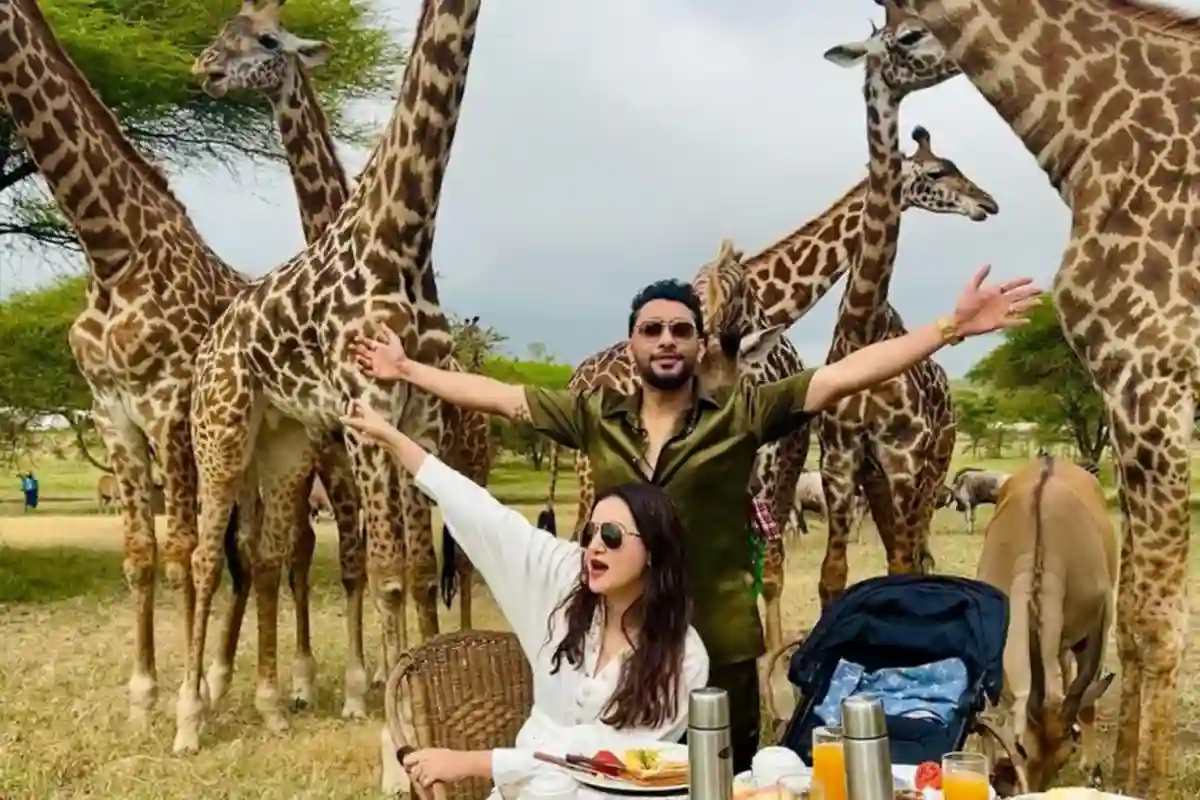
The Ngorongoro Crater is one of Tanzania's most iconic safari highlights. This large volcanic caldera forms a natural wildlife sanctuary where game drives take place on the crater floor, surrounded by towering crater walls.
Geologically, the Ngorongoro Crater represents a collapsed volcanic cone that once rivaled Kilimanjaro in height. When the massive volcano erupted and collapsed inward some two million years ago, it created this perfectly contained ecosystem—walls steep enough to limit wildlife movement (most animals remain year-round, though some species migrate out seasonally), yet low enough to allow rainfall and vegetation. The result is a natural laboratory where predator-prey dynamics play out in confined space, visible to anyone who makes the descent. Understanding this geological history transforms a game drive into time travel, revealing forces that shaped Africa.
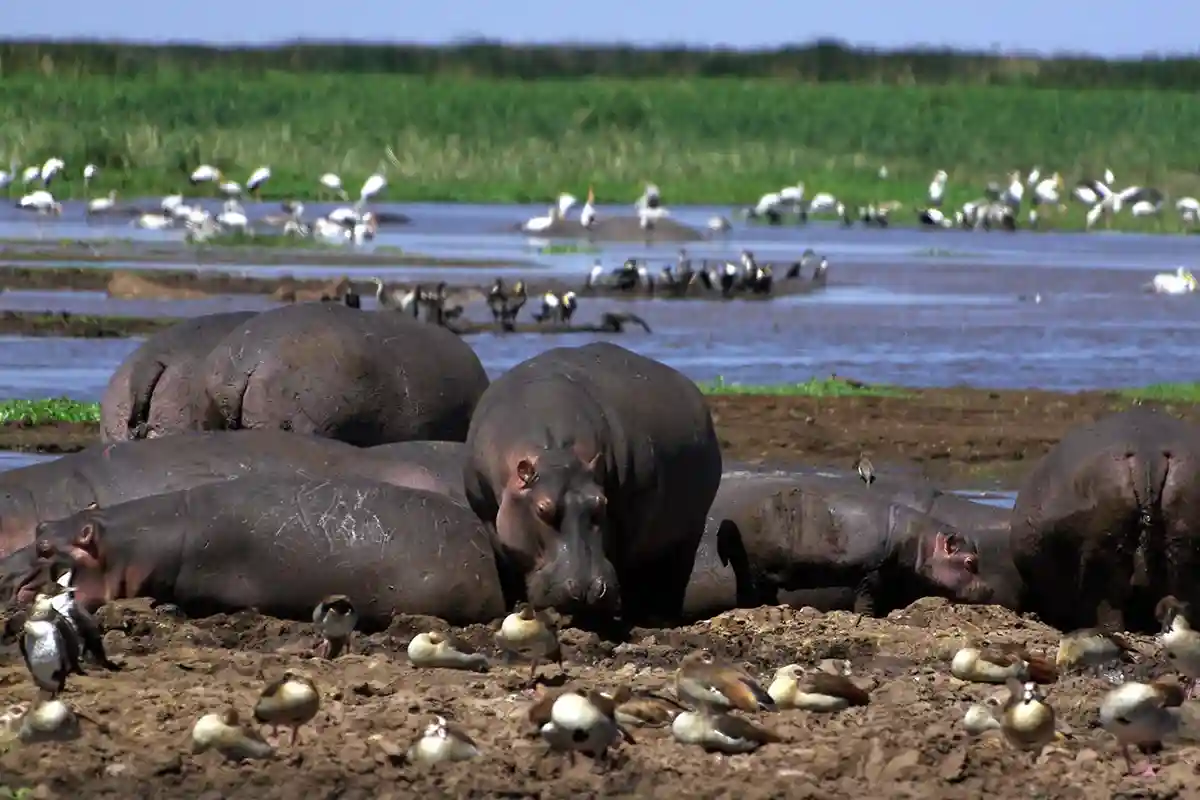
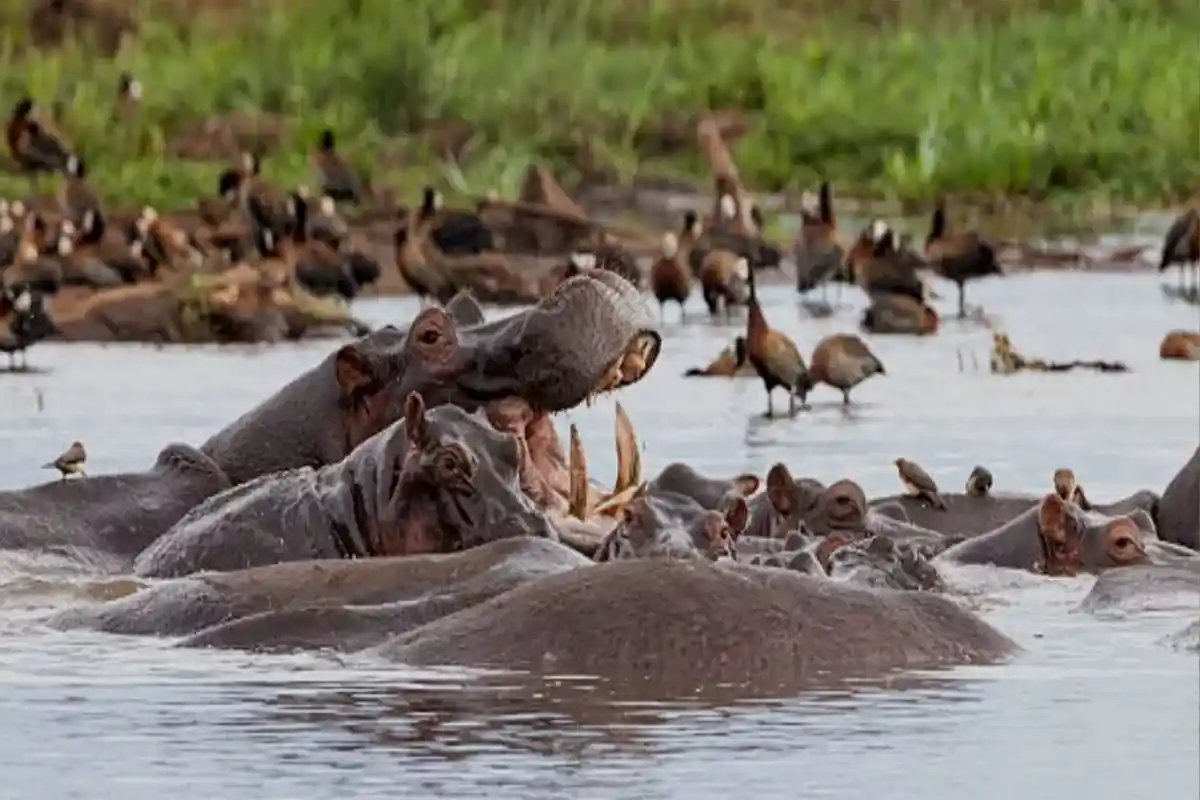
The crater floor comprises several distinct habitats that determine wildlife distribution. Open grassland covers much of the central area, supporting vast herds of grazing animals and the predators that follow them. The Lerai Forest in the south provides dense cover for forest species and shade during midday heat. Lake Magadi and surrounding marshes attract water-dependent animals and birds. Each habitat shift during your descent reveals different wildlife communities—from the open plains zebras to the forest's shy bushbucks, from the lake shore's flamingos to the swamp's hippos. Your guide navigates these transitions, maximizing sightings across ecosystems.
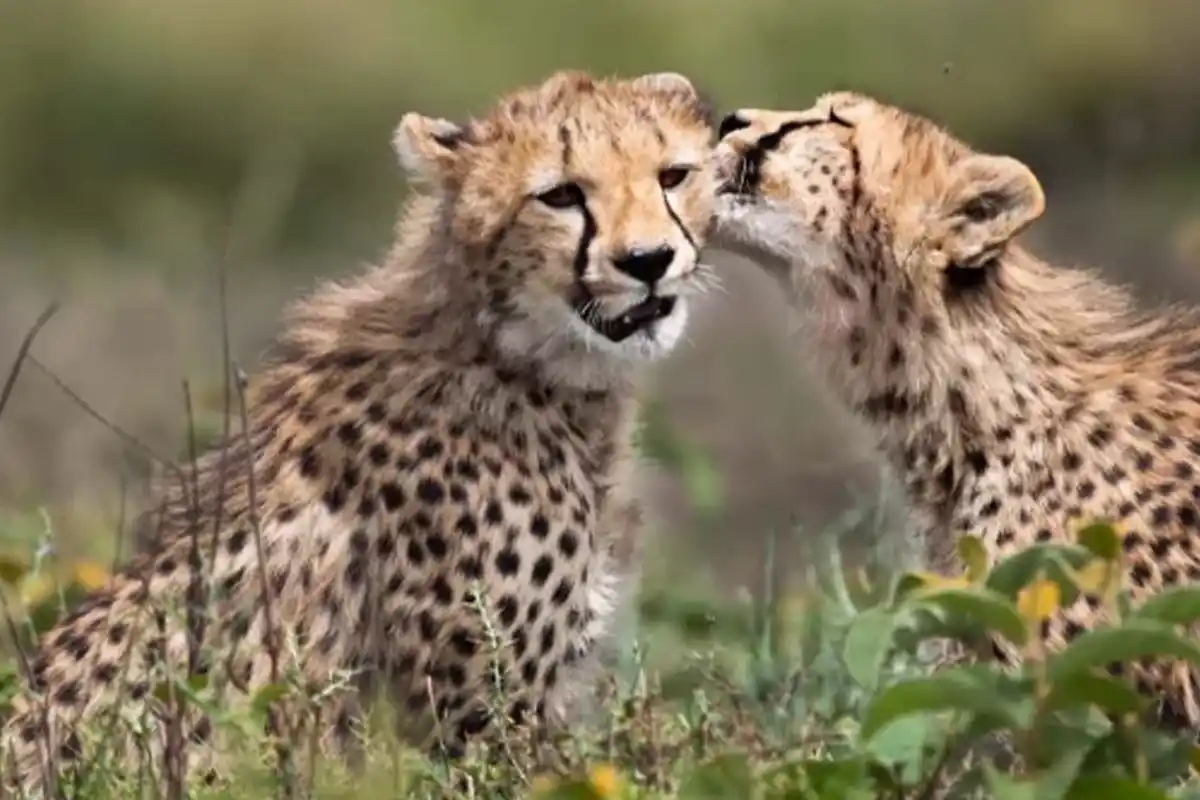
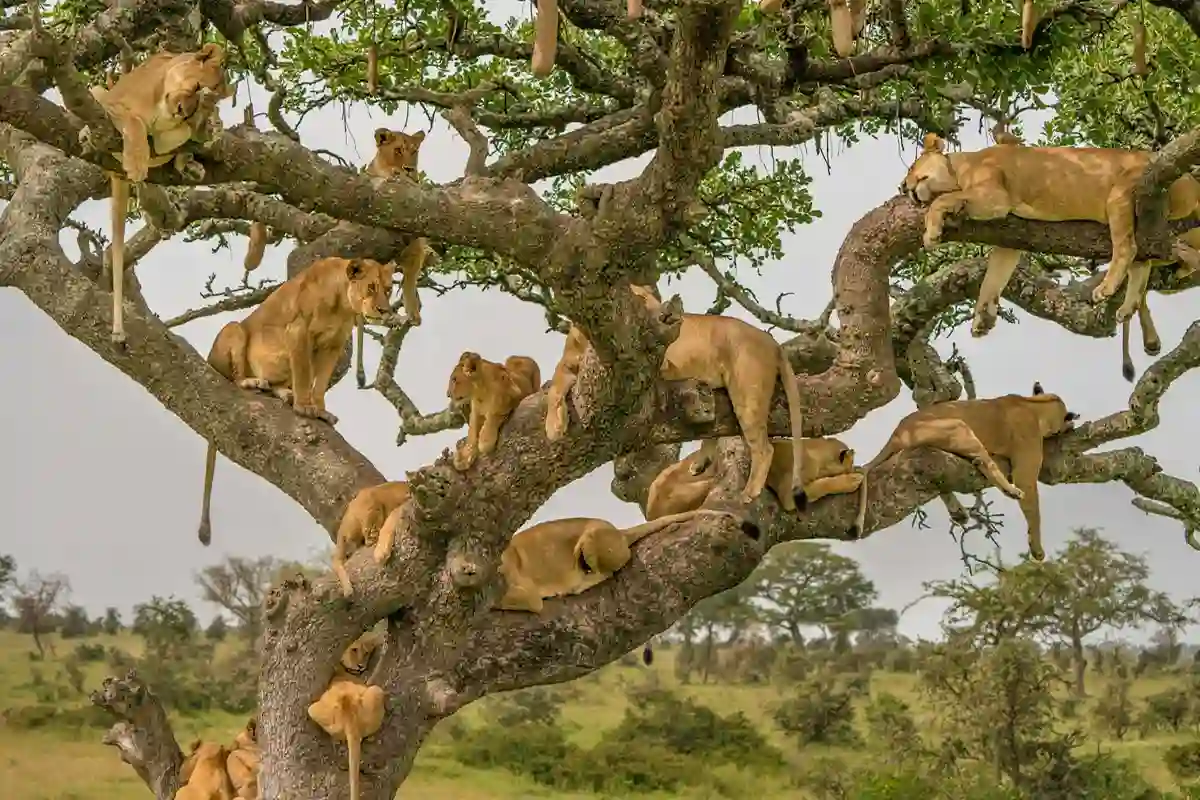
Wildlife viewing in Ngorongoro achieves densities that seem impossible elsewhere. A single day's drive might reveal: multiple lion prides (often with cubs), spotted hyena clans actively hunting, elephants wallowing at the hippo pool, black rhino grazing near the forest edge, cheetah scanning for prey on short grass, zebras and wildebeest by the thousand, and hippos packed into pools like living boulders. The crater hosts Africa's only remaining population of tuskers—elephants with tusks so long they sweep the ground—though these magnificent animals roam the wider conservation area. Birdlife adds constant color: ostriches striding through grasslands, crowned cranes dancing in wetlands, and eagles soaring overhead.
The descent into Ngorongoro is itself an experience. The road winds down the crater wall, switchbacks revealing progressively wider views of the floor below. As you drop, temperature rises, vegetation changes, and anticipation builds. The floor feels different from the rim—warmer, more intimate, with the walls rising around you like an ancient amphitheater. Game drives here move at unhurried pace, stopping for sightings, following animal movements, letting the day unfold. Unlike larger parks where herds can be scattered, the crater concentrates action, delivering quality throughout your visit. The exit road climbs the opposite wall, offering final panoramas before returning to rim lodges.
The Ngorongoro Conservation Area extends far beyond the crater, protecting 8,300 square kilometers of diverse landscapes. The Ndutu area (shared with Serengeti) hosts the December-March wildebeest calving, where thousands of births attract predators. The Empakaai Crater offers a smaller, forested caldera with a deep soda lake often pink with flamingos. Olduvai Gorge, just outside the conservation area, preserves humanity's origins—fossils documenting our ancestors from nearly two million years ago. The Shifting Sands, a moving dune of volcanic ash, creeps across the landscape at 17 meters per year. These extensions reward travelers with time to explore beyond the main crater.
Ngorongoro is often paired with Serengeti, Tarangire, and Lake Manyara for a complete Northern Circuit safari, and the wider Ngorongoro Conservation Area also offers cultural and landscape experiences depending on permits and your itinerary.
Your Ngorongoro experience is elevated by staying on the crater rim, where lodges offer breathtaking views and the unique experience of waking up above the caldera. From luxury lodges perched on the edge to intimate camps in the highlands, we offer accommodations to suit every style and budget. Click on any accommodation to learn more and view photos:
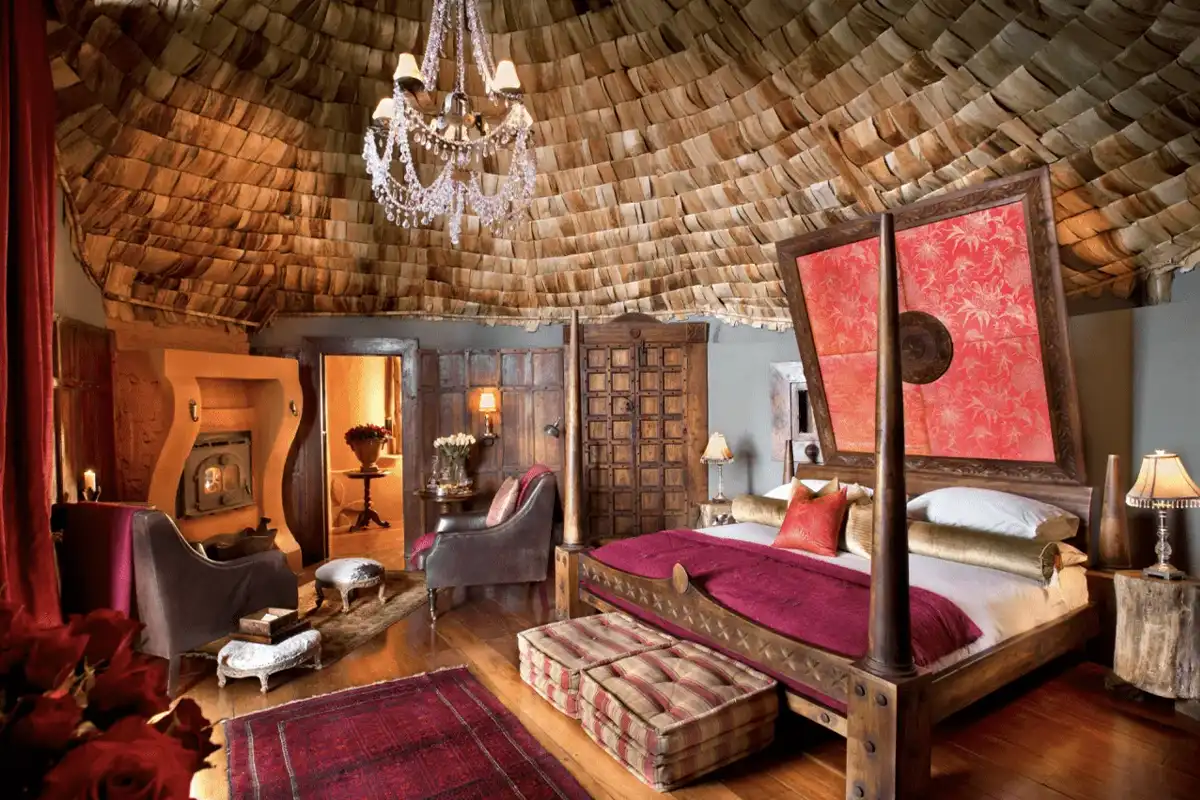
Unparalleled luxury perched on the crater rim with stunning floor-to-ceiling views. Opulent suites combine Maasai-inspired decor with modern amenities, personal butler service, and exquisite dining.
View Details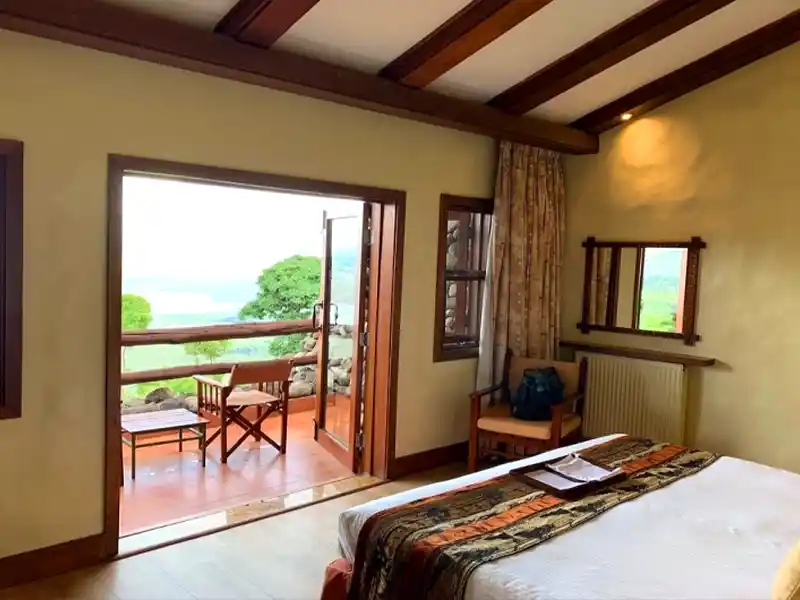
Built into the crater rim with architecture inspired by traditional Maasai manyattas. Spectacular views, comfortable rooms, and excellent mid-range option with the best sunrise views on the rim.
View Details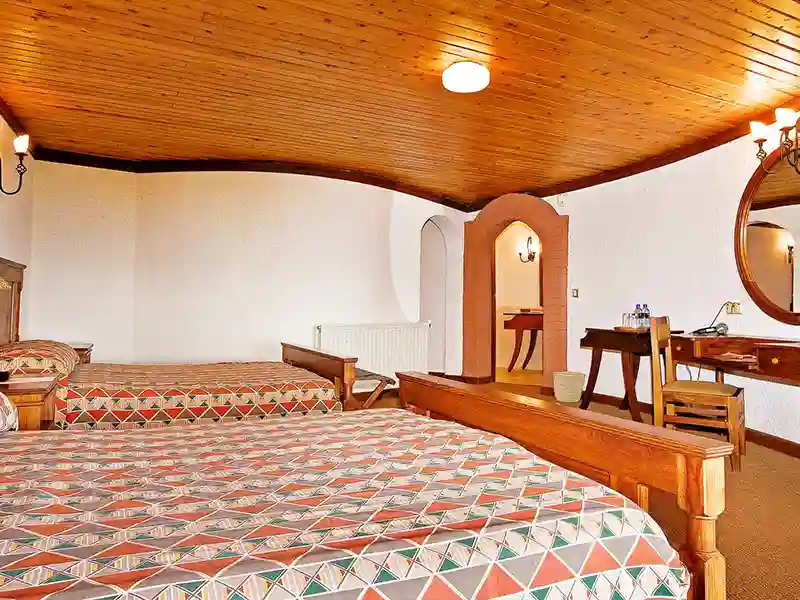
Spacious lodge set in a forest on the crater rim with a stunning swimming pool overlooking the highlands. Comfortable rooms, friendly service, and excellent value for families and groups.
View Details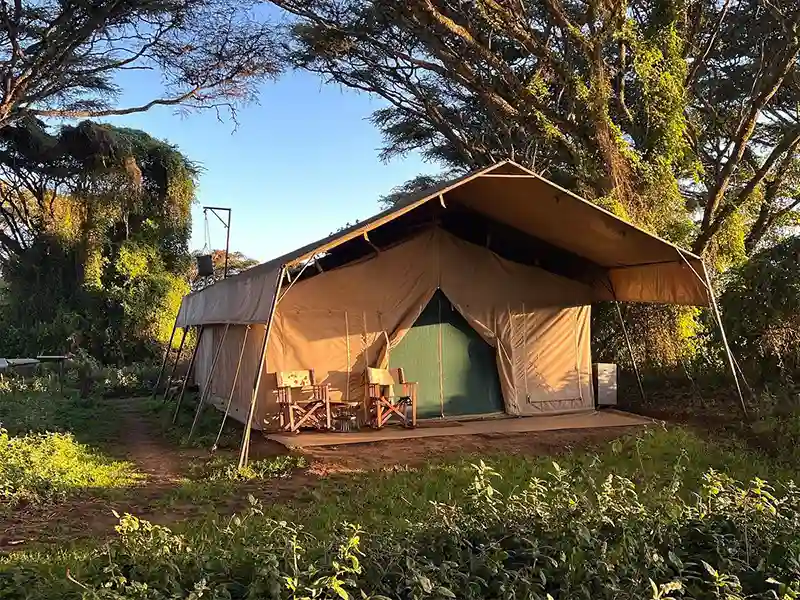
Intimate tented camp on the crater rim offering a classic safari experience with modern comforts. Spacious canvas tents, exceptional guiding, and the only camp with walking safaris in the highlands.
View Details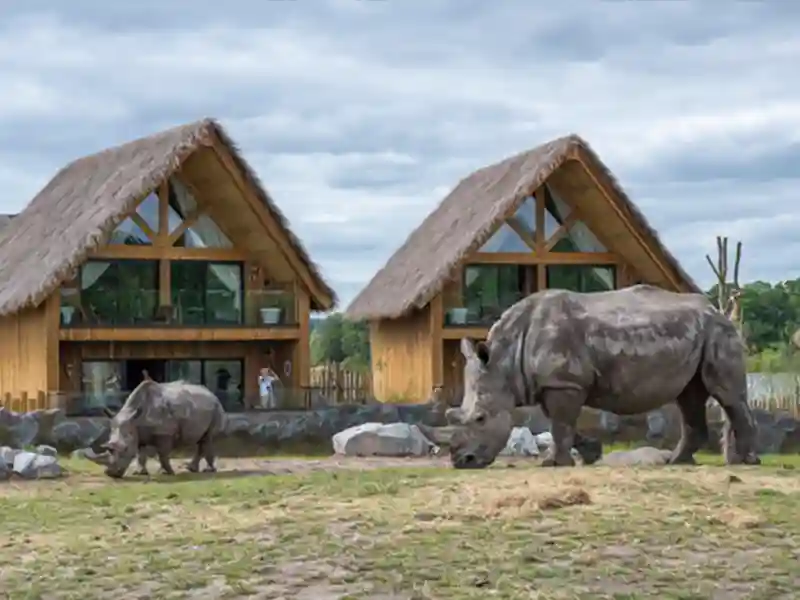
Cozy, budget-friendly lodge just minutes from the crater entrance. Warm hospitality, comfortable rooms with fireplaces, and the most affordable option on the rim without sacrificing quality.
View Details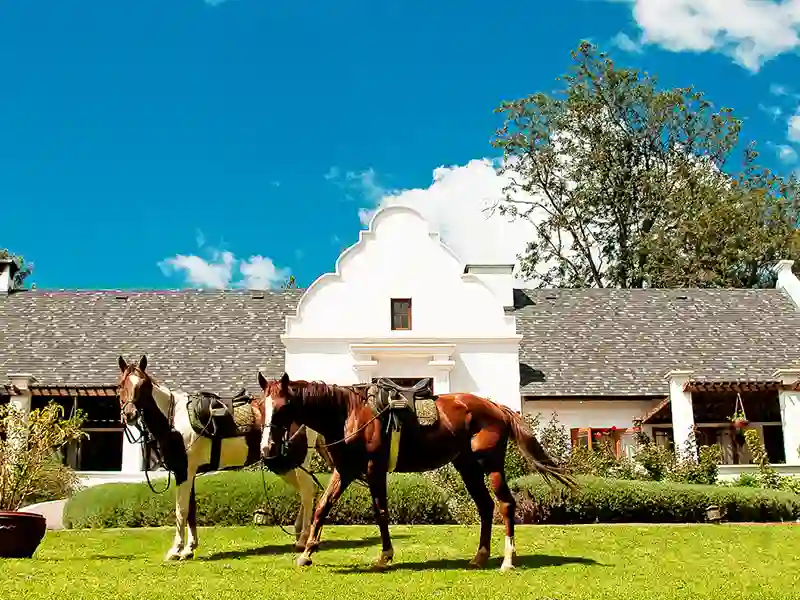
Unique Cape Dutch-style estate in the Ngorongoro highlands, reminiscent of an African farmhouse. Elegant suites, working farm, horse riding, and a completely different ambiance from rim lodges.
View DetailsAccommodation Note: These are just a selection of our preferred partners. We work with lodges and camps across all budget ranges—from budget-friendly options to exclusive-use private villas. Your personal safari consultant will recommend properties that match your style, budget, and desired Ngorongoro experience.
The Ngorongoro Crater offers excellent wildlife viewing year-round, but different seasons provide distinct experiences. Unlike the migratory patterns of the Serengeti, the crater's resident wildlife means you'll see abundant animals whenever you visit. However, weather, crowds, and specific wildlife viewing conditions vary by season. Here's our comprehensive guide to help you choose the perfect time for your Ngorongoro safari:
| Month | Weather | Wildlife Viewing | Rating |
|---|---|---|---|
| January | Warm, occasional showers | Excellent - green landscapes, good predator viewing | Excellent |
| February | Warm, short dry spell | Excellent - peak calving in Ndutu (nearby) | Excellent |
| March | Warm, increasing rain | Good - lush scenery, bird watching peak | Good |
| April | Long rains, wettest month | Fair - green but muddy, fewer crowds | Fair |
| May | Rain decreasing | Good - landscapes spectacularly green | Good |
| June | Cool, dry | Excellent - wildlife begins concentrating | Excellent |
| July | Cool, dry | Excellent - peak dry season viewing | Excellent |
| August | Cool, dry | Excellent - peak dry season viewing | Excellent |
| September | Warm, dry | Excellent - peak dry season viewing | Excellent |
| October | Warm, dry | Excellent - peak dry season viewing | Excellent |
| November | Short rains begin | Good - landscapes green again, fewer crowds | Good |
| December | Short rains, warm | Good - green season begins | Good |
Planning Your 4-Day Safari: Tell us your preferred travel months, and we'll craft an itinerary that maximizes your Ngorongoro experience. Whether you prioritize wildlife viewing, photography, budget, or avoiding crowds, we'll ensure your short safari delivers unforgettable moments in this natural wonder.
Share your travel dates and preferences, and we'll suggest the best 4-day plan to include the crater efficiently—whether as a stand-alone highlight or combined with other parks for a complete Northern Circuit experience.
Browse our available safari packages: