Lake Natron is a remote destination in Northern Tanzania, famous for its otherworldly soda-lake scenery and the dramatic Rift Valley setting. The area feels wild and spacious, with big skies and rugged terrain that makes it very different from the classic savannah parks.
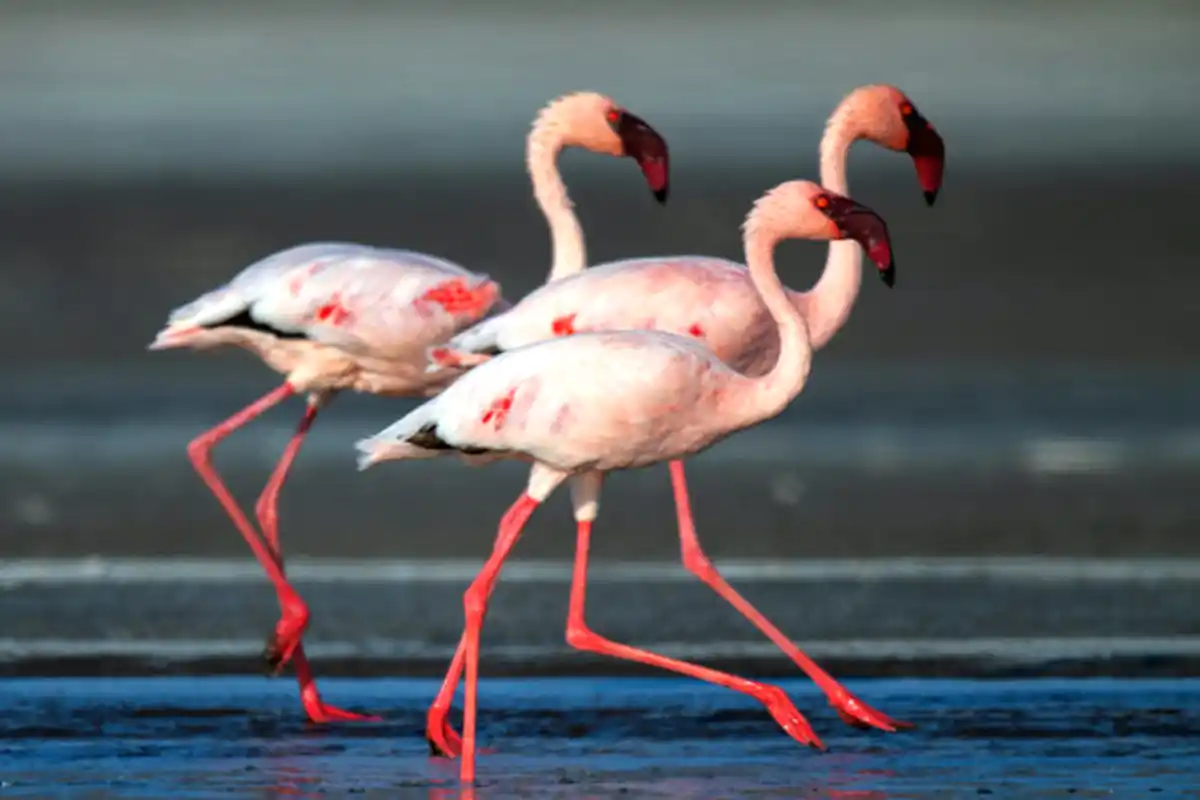
Geologically, Lake Natron occupies the lowest point in the Gregory Rift at 600 meters elevation, fed primarily by the Southern Ewaso Ng'iro River and mineral-rich hot springs. The lake has no outlet, so minerals accumulate over millennia, creating its extreme alkalinity. Evaporation concentrates these salts, especially during dry months, leaving behind the crusty shoreline and sculpted salt formations that photographers prize. Understanding this hydrology explains both the lake's toxicity to most life and its essential role for flamingos—the same conditions that deter predators create safe breeding habitat.
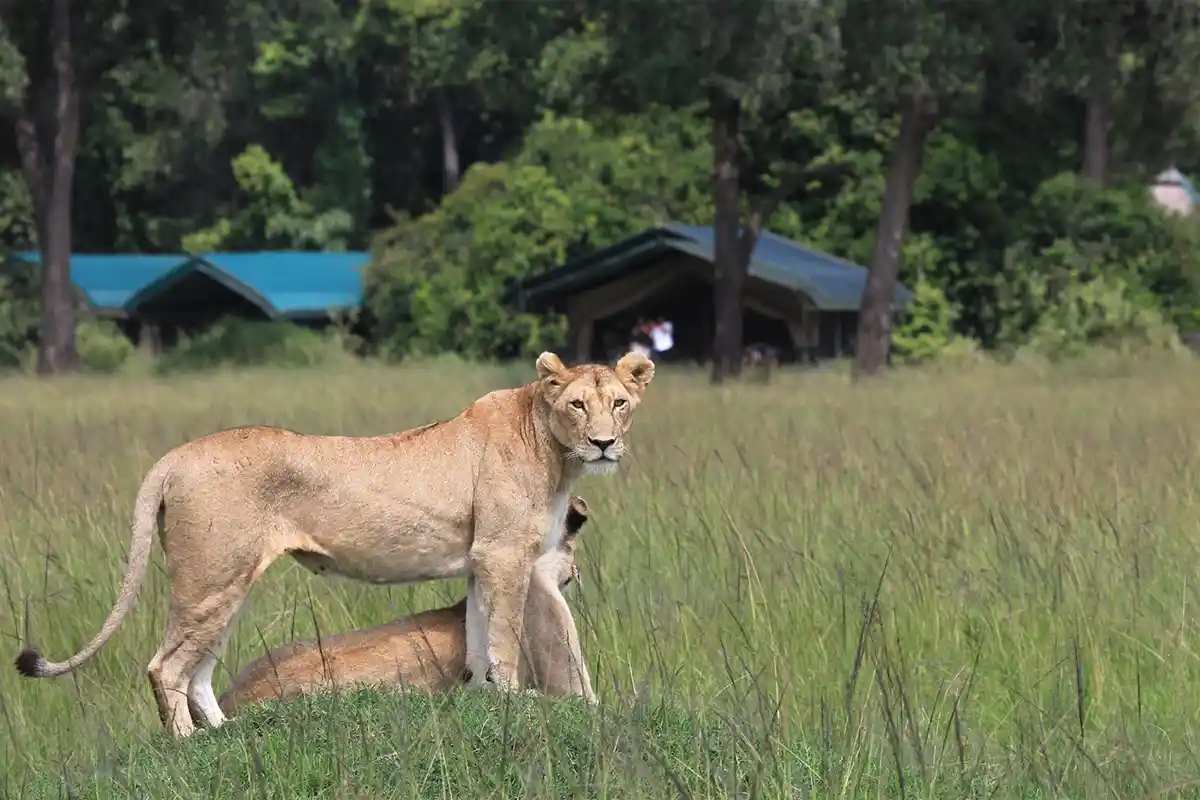
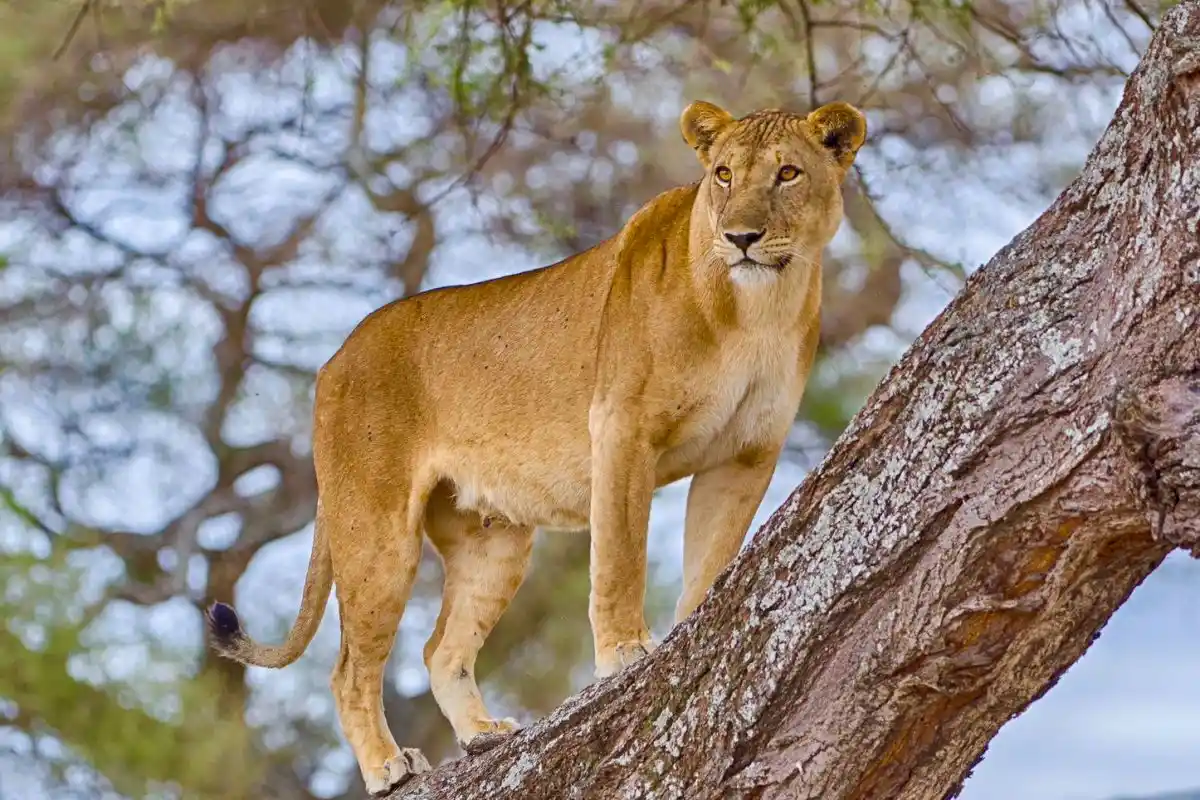
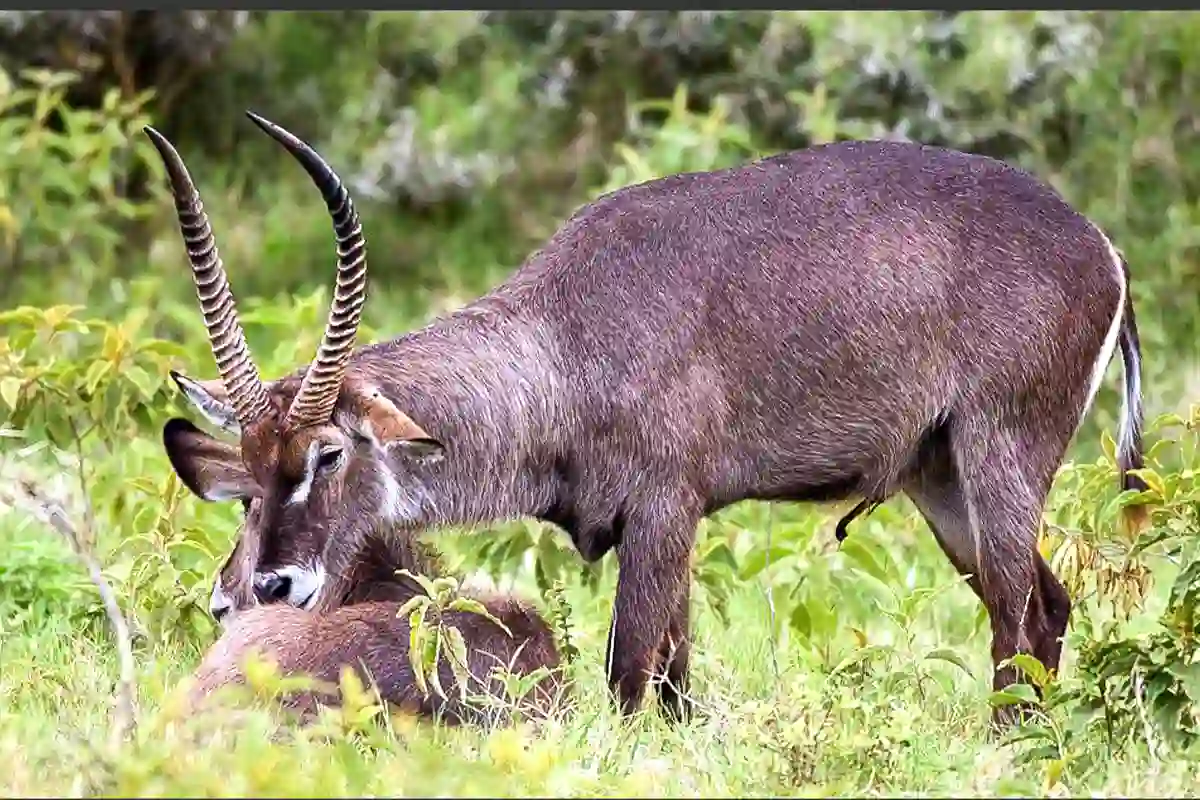
The broader ecosystem supports surprising biodiversity despite harsh conditions. Fish species including Tilapia grahami (introduced) and the endemic alkaline cichlid (Alcolapia alcalica) thrive in warm, caustic waters near hot spring inflows. These fish attract birds: pelicans, storks, herons, and kingfishers patrol the shoreline. The surrounding semi-arid bushland supports Grant's gazelle, zebra, giraffe, and ostrich, along with predators including lion, leopard, and spotted hyena (sightings less predictable than parks). Birdlife extends beyond flamingos to over 100 species adapted to this environment. Game viewing here feels more exploratory—you're reading tracks, scanning distant horizons, appreciating each sighting as discovery.
The human history of Lake Natron stretches deep into prehistory. Archaeological surveys reveal Stone Age tool scatters along ancient shorelines, evidence of hunter-gatherers exploiting lake resources. The Engare Sero footprints provide rare window into Late Pleistocene life, showing group composition and movement patterns. Maasai oral traditions describe their ancestors' arrival in this region several centuries ago, displacing or absorbing earlier populations. Today, Maasai pastoralism defines the cultural landscape, their cattle, goats, and donkeys sharing rangeland with wildlife in patterns of coexistence and competition. Understanding this human dimension transforms Natron from scenic backdrop to living landscape with layered stories.
Practical planning for Lake Natron requires consideration. Access involves rough roads requiring 4WD vehicles and experienced drivers—journey times from Lake Manyara (6-8 hours) or Arusha (8-10 hours) demand overnight stays. Accommodation ranges from basic campsites to comfortable lodges (Natron's only lodge offers surprising amenities given remoteness). Best visiting months align with dry seasons (June-October, January-February) when roads are passable and flamingo activity peaks; wet season (March-May) often closes roads entirely. Essential items include sun protection, adequate water, and camera gear capable of handling harsh light and dust. Your guide manages these logistics, ensuring you experience Natron safely and comfortably.
Lake Natron works best for travelers seeking something genuinely different—landscape photographers craving otherworldly compositions, bird enthusiasts hoping to witness flamingo breeding, cultural travelers wanting authentic Maasai encounters, or anyone weary of crowds seeking true wilderness. It doesn't compete with Serengeti for game viewing or Ngorongoro for convenience—it offers something else entirely: perspective on Earth's extremes, time scales, and beauty. For those who make the journey, Natron rewards with memories that linger long after safari highlights fade.
Lake Natron is ideal for travelers who want to add something truly unique to their Northern Tanzania itinerary. It can be combined with Serengeti, Ngorongoro, Tarangire, or Lake Manyara depending on your route and travel time.
Tell us your travel dates and interests, and we'll recommend the best way to include Lake Natron—whether as a focused short trip or as part of a longer safari journey.
Explore more Tanzania safari destinations: