A cultural and scenic stop near the Rift Valley, often added to Northern Circuit safaris.
Lake Eyasi 2026
Lake Eyasi
Highlights
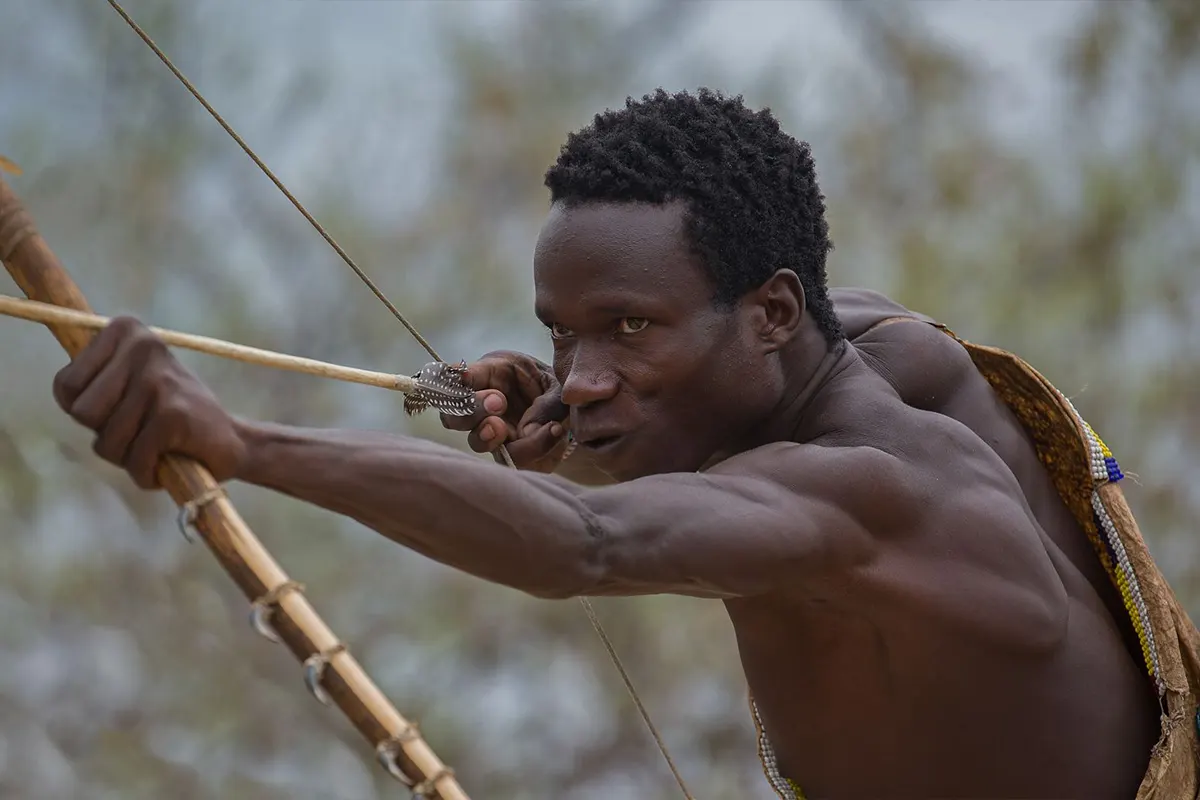
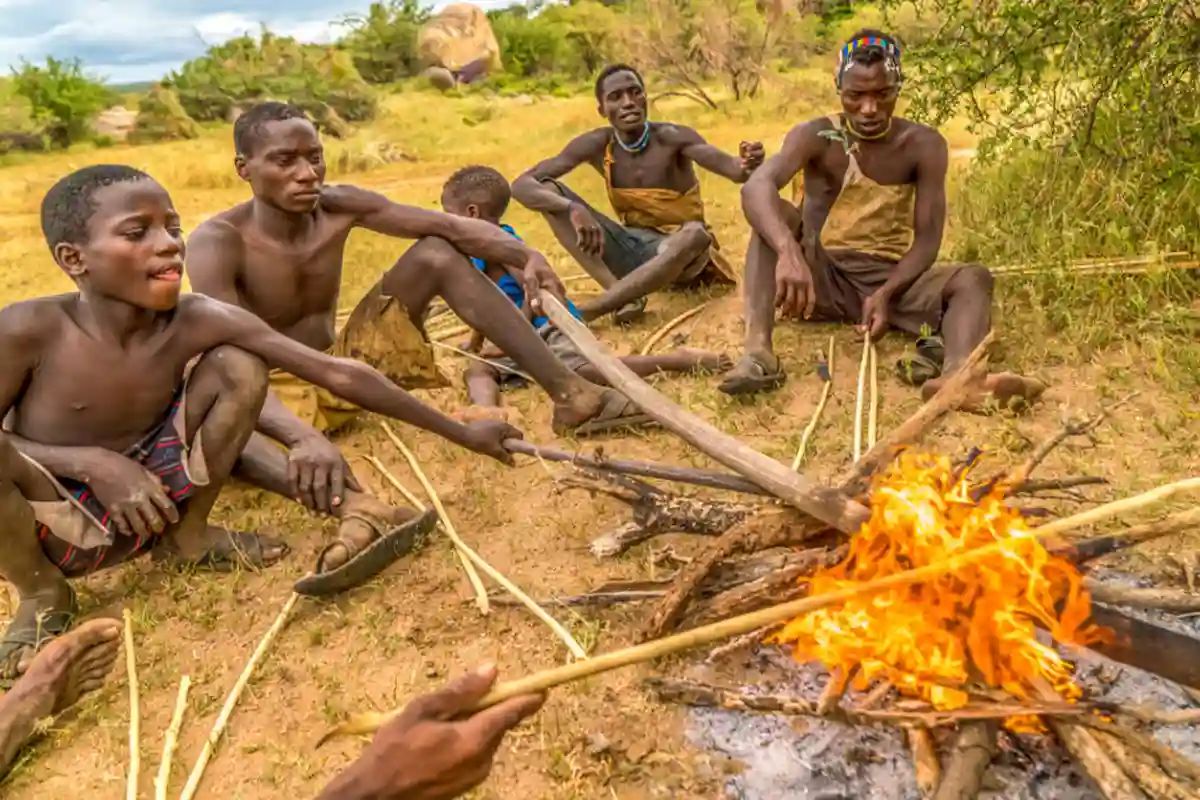
Hadzabe Bushmen Encounters: Lake Eyasi offers one of Africa's last opportunities to meet Hadzabe hunter-gatherers, who have lived on these shores for thousands of years—their language incorporating clicks, their lifestyle unchanged by modernity. Join them at dawn as they set out with bows and arrows, tracking baboons and small game through acacia scrub. Women dig tubers and gather berries, sharing knowledge passed through countless generations. These are not performances but genuine mornings in lives radically different from our own. Visitors consistently describe these encounters as transformative, offering perspective on human existence that no museum or book can provide. Photography requires sensitivity and permission—your guide facilitates respectful interaction.
Datoga Blacksmiths and Tradition: The Datoga people, Nilotic pastoralists who arrived in this region centuries ago, maintain traditions distinct from their Hadzabe neighbors. Their blacksmiths forge tools and jewelry using techniques unchanged for generations—bellows of animal skin, charcoal fires, and hand-held hammers shaping molten metal into arrowheads, bracelets, and ceremonial items. Visiting Datoga bomas (homesteads) reveals circular houses arranged around cattle corrals, women adorned with distinctive facial tattoos and elaborate beadwork. Unlike tourist-oriented encounters, Lake Eyasi visits feel authentic—you're welcomed into daily life, observing actual work and domestic routines. The contrast between Hadzabe and Datoga cultures, living side by side yet utterly distinct, fascinates anthropologists and casual visitors alike.
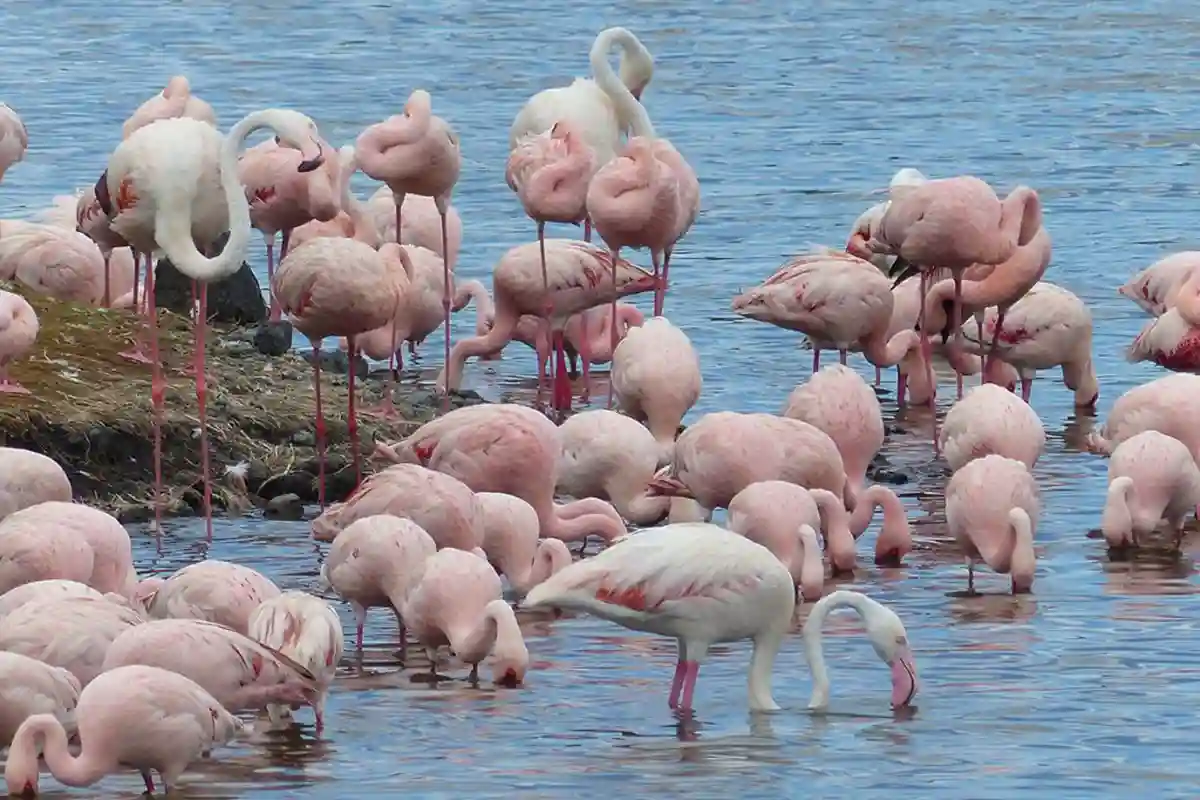
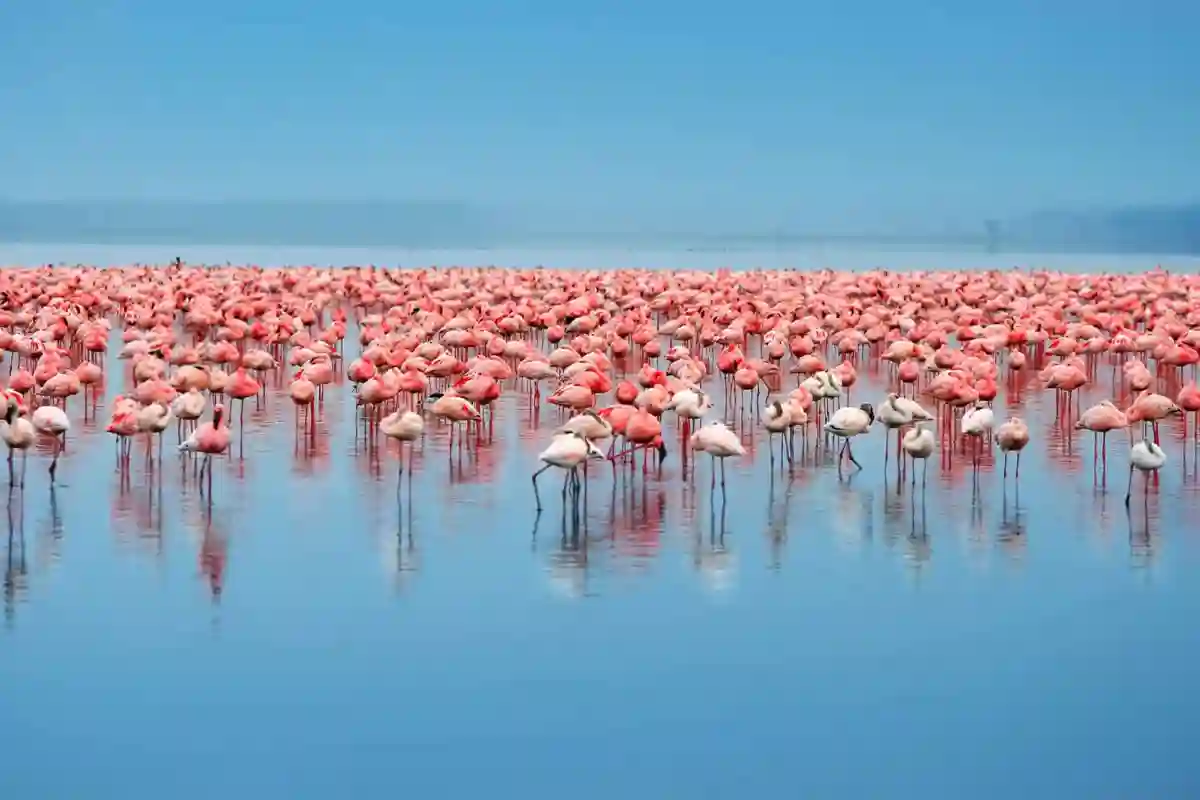
Seasonal Lake and Flamingo Spectacle: Lake Eyasi is a shallow, seasonal soda lake at the Rift Valley's base, its size fluctuating dramatically with rainfall. Following good rains (typically April-May), the lake fills, attracting thousands of lesser flamingos that filter-feed on algae, creating pink ribbons across silver water. Even when dry, the landscape holds stark beauty—vast mudflats cracking under sun, acacia-studded plains stretching toward distant escarpments. Late afternoon light paints the Rift Valley walls in gold and amber, photographers scrambling for position. Understanding the lake's rhythms (your guide monitors conditions) ensures you experience Eyasi at its most photogenic, whether liquid mirror or textured earth.
Dawn on the Lake Shores: Early mornings at Lake Eyasi create magic. As darkness lifts, the lake surface—if present—reflects sky colors shifting through violet, rose, and orange while silhouetted figures of Hadzabe hunters begin their day. Fishermen from local villages launch makeshift boats, their movements timeless against the evolving light. Birdlife awakens: pelicans glide low over water, kingfishers dive, and fish eagles call across the silence. Even travelers who've photographed countless sunrises find Eyasi's unique—the combination of elemental landscape, traditional life, and African light creating images that hang in memory forever. Your guide arranges timing so you experience this daily miracle without rush.
Rift Valley Scenery and Geology: Lake Eyasi sits within the Gregory Rift, the eastern branch of East Africa's Great Rift Valley. The escarpments rising from the lake's edges reveal geological forces that continue shaping Africa—fault lines, volcanic deposits, and sedimentary layers recording millions of years. Nearby Olpiro and Oldeani mountains provide hiking opportunities for active travelers, their slopes offering panoramic views across the valley. The drive to Eyasi itself passes through changing landscapes: coffee plantations around Karatu, then dry woodlands, finally opening onto the lake basin. Geologists and casual observers alike appreciate understanding how this dramatic landscape formed—your guide shares stories of tectonic plates, ancient lakes, and human origins embedded in these rocks.
Perfect Cultural Counterpoint to Wildlife Safaris: Lake Eyasi provides the ideal complement to Tanzania's wildlife circuit. After days watching animals from vehicles, here you engage with people—walking with hunters, sitting with blacksmiths, sharing stories around evening fires. The contrast enriches both experiences: wildlife safaris reveal nature's grandeur; Eyasi reveals humanity's depth. Location works perfectly logistically: just south of Ngorongoro Conservation Area, easily added to itineraries visiting Crater, Manyara, and Tarangire. One night at Eyasi suffices for immersion, though travelers seeking deeper connection often stay two, allowing unhurried mornings with Hadzabe and afternoons exploring Datoga communities. For those seeking Tanzania beyond wildlife, Eyasi delivers unforgettable authenticity.
Plan Your Dream Safari
Explore Our Best Lake Eyasi Tour Packages
From cultural discovery and landscape photography to classic Northern Circuit safari experiences, these journeys capture the best of Lake Eyasi.