Tanzania Safari Source Tours Logo +255 688 375 743 info@tanzaniasafarisourcetours.com

Lake Manyara National Park

Flamingos, tree-climbing lions, and the stunning Great Rift Valley scenery.

Lake Manyara National Park 2026

Lake Manyara National Park with flamingos and escarpment

Lake Manyara National Park

Highlights
  • Rift Valley Masterpiece: Lake Manyara National Park occupies a stunning strip between the dramatic Rift Valley escarpment and the alkaline lake that gives it name. This compact park (330km², with the lake covering 230km²) packs extraordinary diversity into accessible space—you'll drive through groundwater forest, acacia woodland, open grassland, swamp, and lake shore within hours. The escarpment rises nearly 1,000 meters above, creating one of Africa's most photographed backdrops. Unlike sprawling parks requiring days to explore, Manyara delivers concentrated beauty, perfect for travelers with limited time who refuse to compromise on scenery.
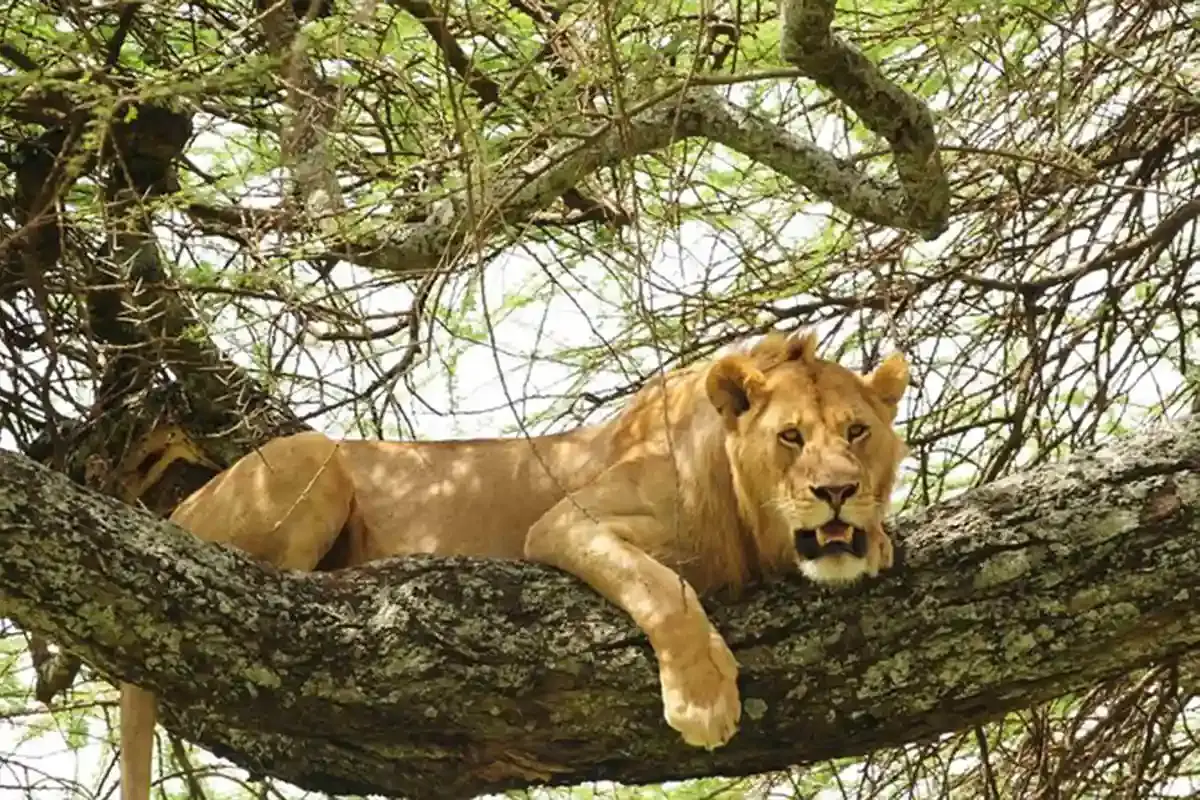
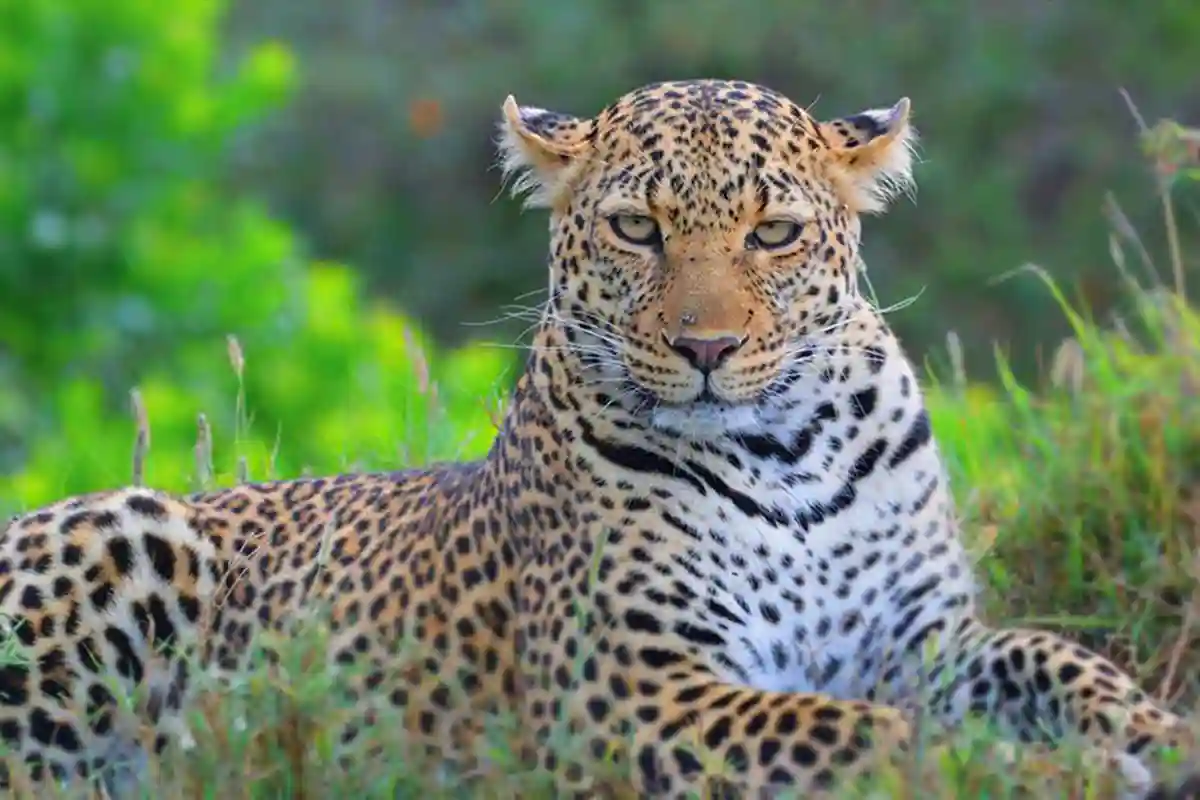
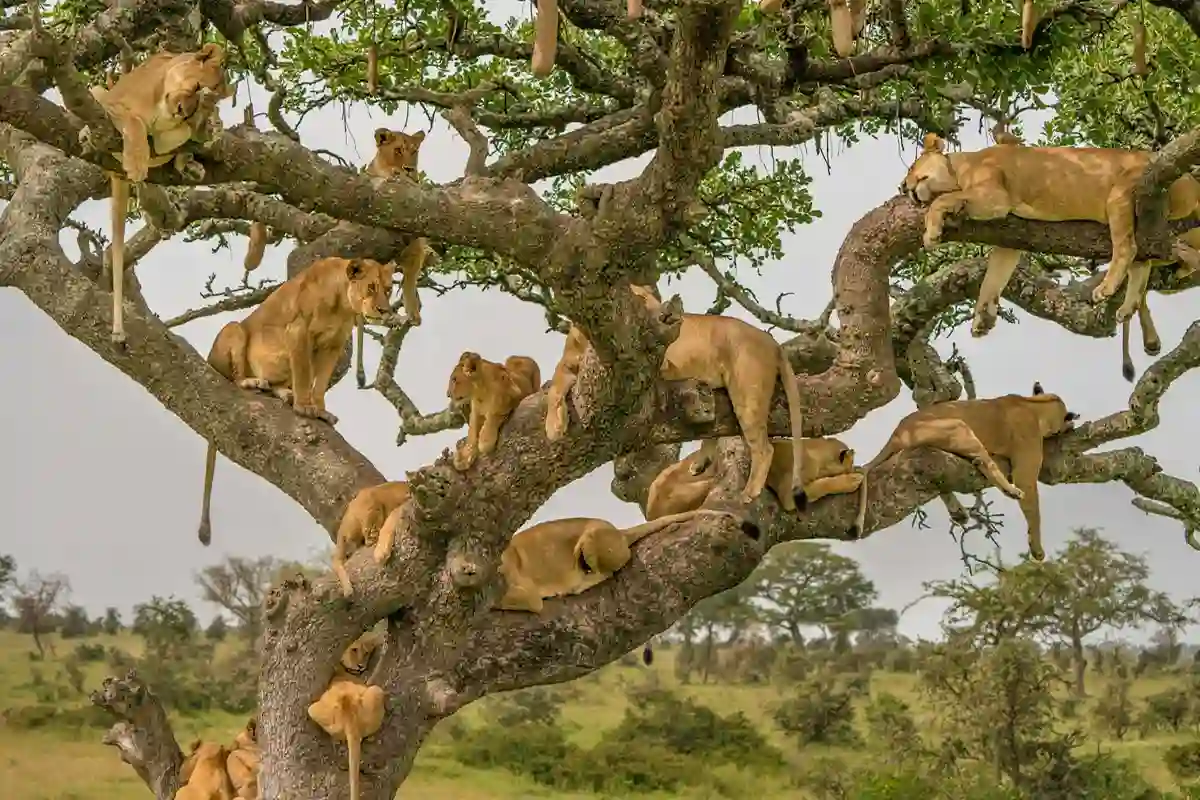
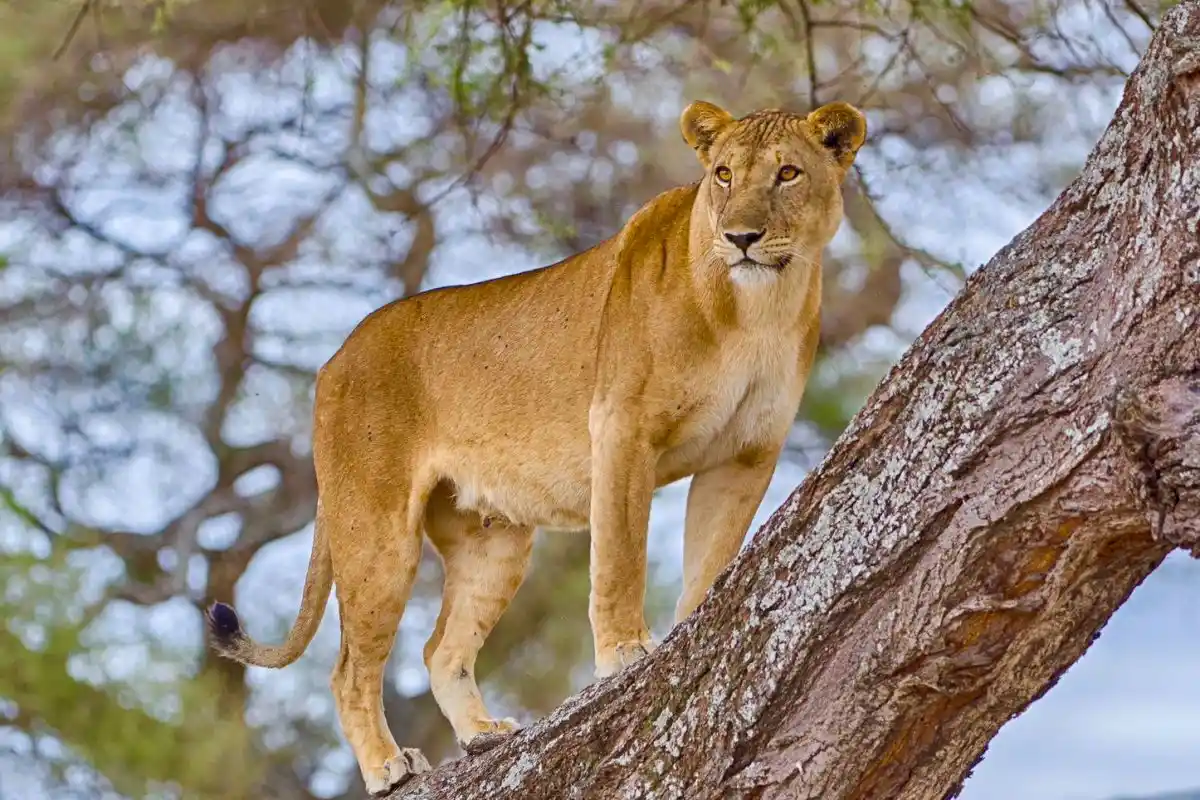
  • Legendary Tree-Climbing Lions: Manyara's prides have made the park famous for behavior observed few places on Earth—lions habitually climbing and resting in acacia trees. While scientists debate reasons (escaping insects? catching breezes? better vantage points?), witnessing golden-maned males draped over branches like oversized house cats ranks among safari's most memorable spectacles. Sightings aren't guaranteed—these are wild animals following their own rhythms—but Manyara offers better odds than anywhere. Your guide knows favored trees and recent sightings, maximizing chances. Even without lions, the park's healthy predator population includes leopards (often seen in riverside trees) and spotted hyenas, ensuring exciting game drives.
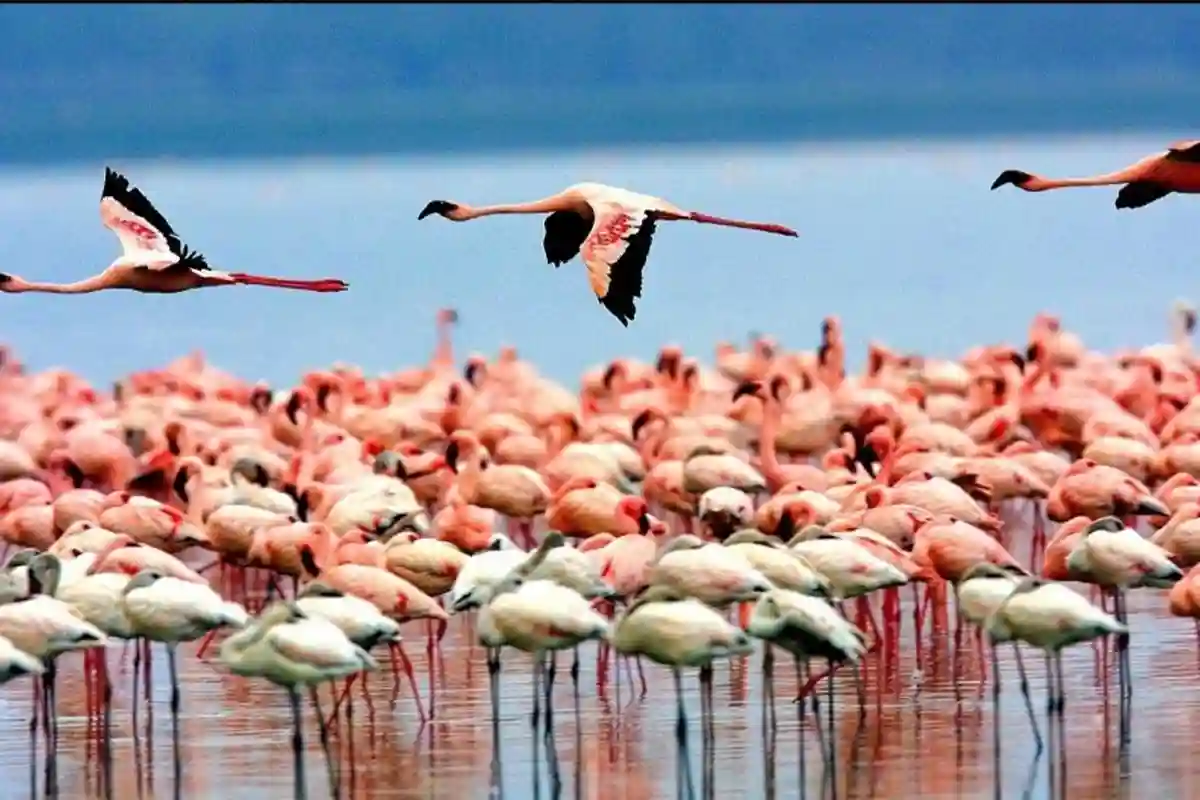
  • Flamingo Capital of the North: Lake Manyara's alkaline waters attract vast flocks of lesser flamingos, their pink plumage creating floating islands of color against silver water. From December through June, when conditions align, tens of thousands gather along shorelines, filtering Spirulina algae through specialized bills. The sight—accompanied by their constant murmuring, heads down, feet churning—transforms the lake into living art. Beyond flamingos, the park hosts over 400 bird species, making it East Africa's premier birding destination. Yellow-billed storks, sacred ibis, great white pelicans, and colorful bee-eaters provide constant distraction for bird enthusiasts and casual observers alike.
  • Groundwater Forest Wonderland: The entrance to Manyara plunges you into an entirely different world—lush groundwater forest fed by springs seeping from the rift wall. Towering fig and mahogany trees create cathedral-like canopy, filtered light illuminating troops of blue monkeys and baboons foraging below. This forest feels primeval, dripping with vines and ferns, home to shy bushbucks and forest birds found nowhere else in the park. The contrast with open plains beyond couldn't be starker, demonstrating how underground water shapes ecosystems. Walking here (on designated trails with rangers) reveals details missed from vehicles—butterflies, orchids, and the constant rustle of unseen life.
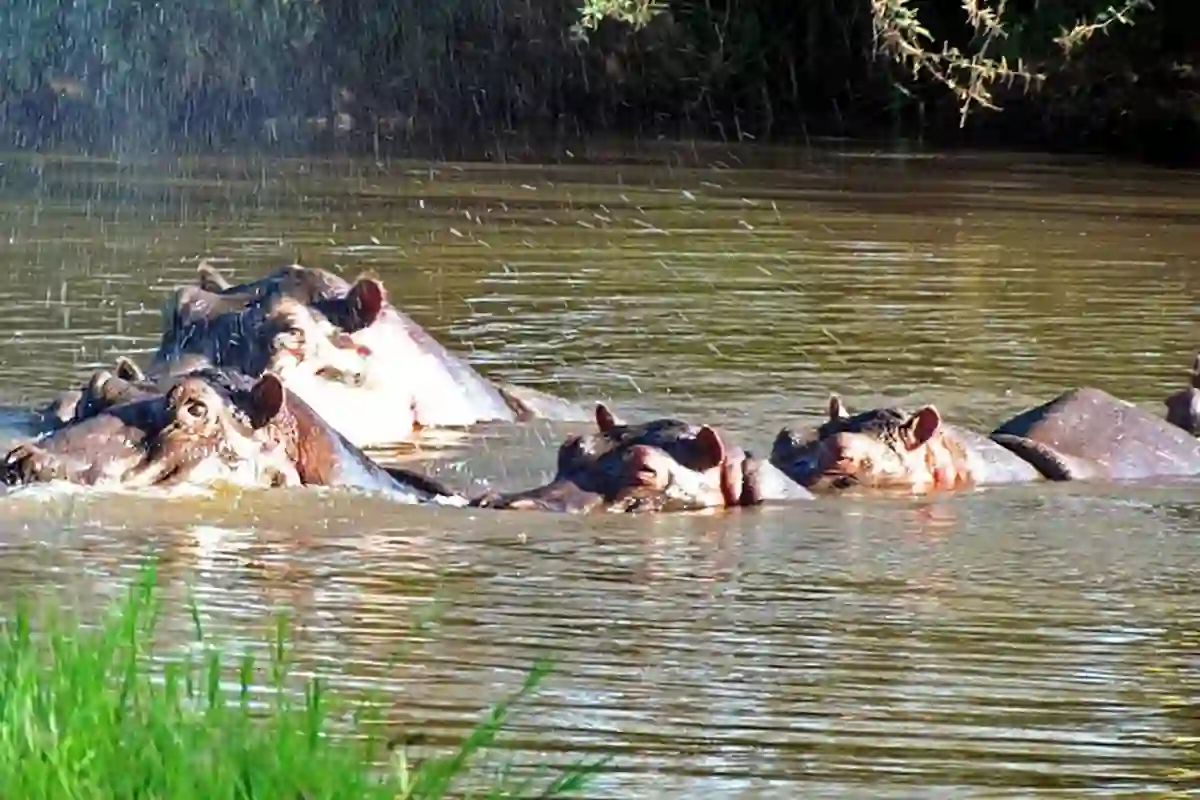
  • Hippo Pools and Lake Shore Life: The Ng'hirinya Hippo Pool offers guaranteed entertainment—dozens of hippos jostling for position in clear pools, their yawns, grunts, and splashes creating constant theater. Viewing platforms allow safe, close observation of these massive animals, watching mothers with calves, dominant males asserting authority, and the constant underwater battles for space. The surrounding lake shore teems with birdlife: herons stalking fish, kingfishers hovering, stilts picking through mudflats. As evening approaches, hippos emerge to graze, creating Africa's classic sound—the combination of grunts, laughs, and territorial bellows echoing across water.
  • Mto wa Mbu: Cultural Crossroads: The lively village at Manyara's entrance embodies Tanzania's diversity—over 120 ethnic groups coexist in this market town, their languages, foods, and traditions creating vibrant fusion. Mto wa Mbu (River of Mosquitoes) offers optional activities that enrich safari experiences: guided bicycle tours through banana plantations and rice paddies, visits to local breweries tasting banana beer, walks with Maasai guides explaining traditional uses of plants, and markets bursting with color and aroma. These encounters provide context missing from wildlife-only itineraries, connecting you to people who call this landscape home. A morning here before entering the park adds cultural depth to wildlife wonders.

Description

This beautiful park is at the base of the Great Rift Valley escarpment and comprises of a diverse range of habitats ranging from the rift wall, ground water forest, acacia woodlands, open grasslands, the shore of the soda lake - Lake Manyara and, finally, the lake itself.

Established in 1960, Lake Manyara National Park protects a narrow strip between the Rift Valley wall and the lake's alkaline waters. Despite its modest size (only 330 square kilometers), the park encompasses seven distinct habitat zones, each supporting different wildlife communities. This ecological diversity within compact space makes Manyara perfect for day trips or short safaris—you experience remarkable variety without covering vast distances. The park's location, just 130 kilometers from Arusha along a good road, makes it accessible for travelers with limited time or as a gentle introduction before heading deeper into the Northern Circuit.

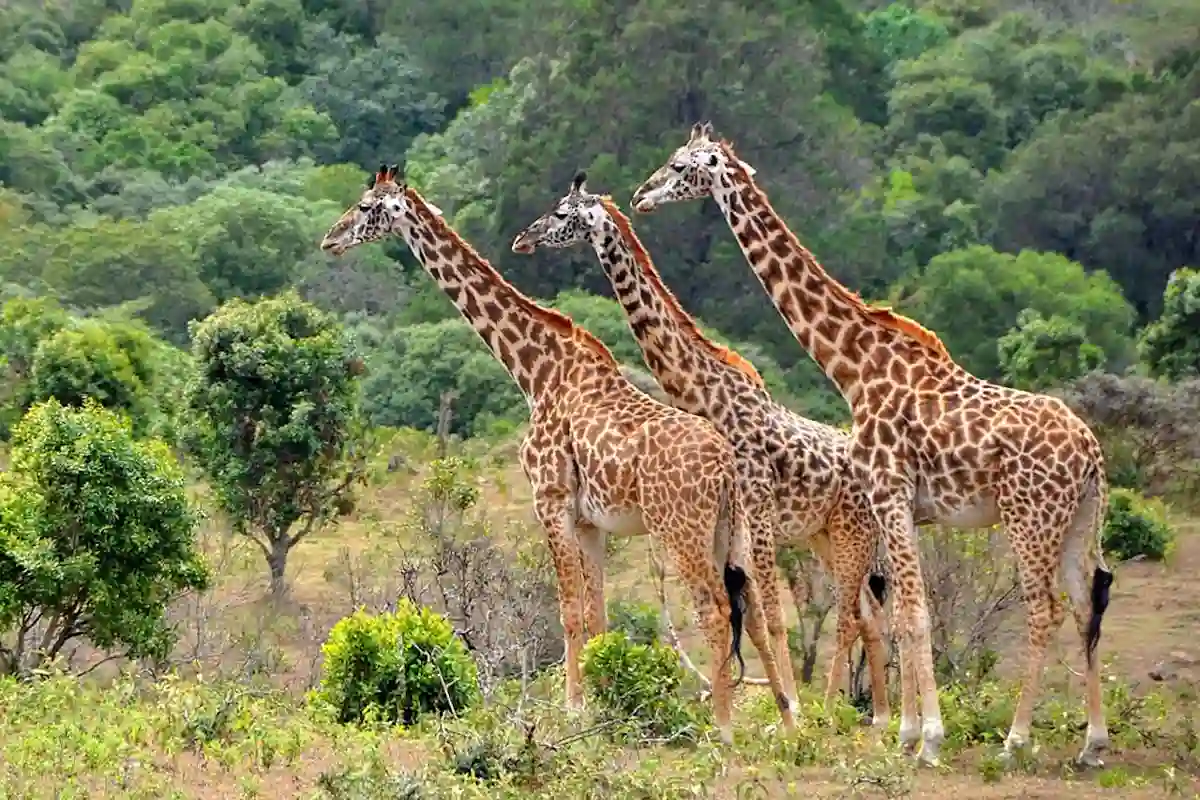
The groundwater forest that greets visitors at the park entrance feels utterly different from the open plains beyond—towering trees draped with vines, filtered light creating dappled patterns on forest floor where blue monkeys swing overhead and shy bushbucks emerge at dusk. This forest thrives on underground water seeping from the rift wall, remaining green even through dry months. The contrast when you emerge onto the floodplains is dramatic: acacia woodlands give way to open grasslands where zebras, wildebeests, giraffes, and buffalos graze with the lake as backdrop, the escarpment rising sharply on one side.

Like most Rift Valley lakes, the water is alkaline. This attracts vast flocks of flamingos, which form pink foam against a silver background of water. There are numerous water birds in the area, including storks and pelicans that waddle around next to short grasses on the shore of the lake. The park is a bird lover's haven with a variety (350 species) of local species inhabiting the forest and bush. The best time to observe these birds is in the late afternoon and early morning.

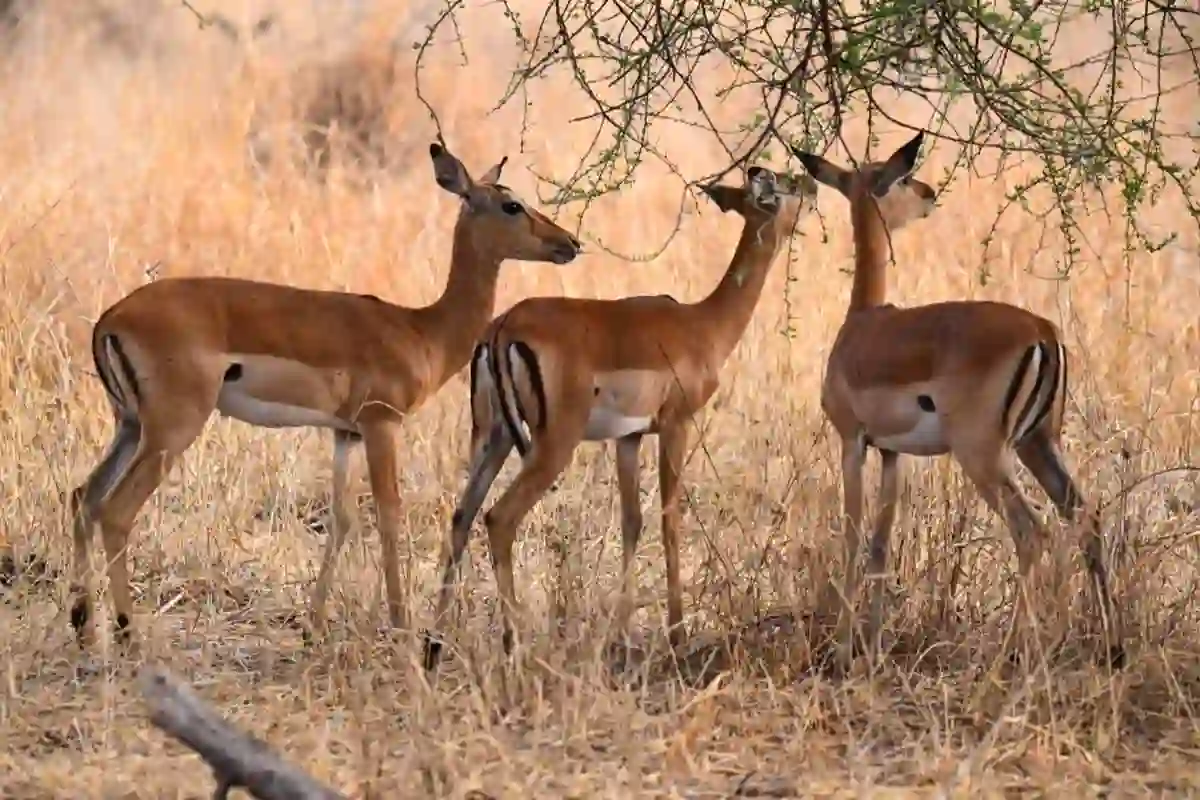
Lake Manyara National Park provides sanctuary to a variety of animals like the gazelle, impala, buffalo, wildebeest, hyena, baboon, giraffe and hippo. Manyara is also known for its tree-climbing lions—a unique population that has developed the habit of lounging in acacia branches during the day. While lions elsewhere rarely climb, Manyara's prides have made this behavior famous, possibly to escape tsetse flies or catch afternoon breezes. Sightings aren't guaranteed, but the park offers one of the best chances anywhere to witness this remarkable spectacle.

The park's location within the Great Rift Valley creates dramatic light throughout the day. Early mornings find the escarpment casting long shadows across floodplains; midday sun intensifies colors of flamingos against blue water; late afternoons paint the rift wall in gold and amber. Photographers find endless compositions here—the juxtaposition of wildlife against this dramatic backdrop creates images distinct from other parks. Even casual visitors find themselves reaching for cameras repeatedly, the landscape constantly changing as light shifts and clouds drift across the escarpment.

Beyond the park boundaries, the area around Mto wa Mbu village has become a hub for adventure activities. Many visitors extend their stay to enjoy canoeing on the lake (water levels permitting), mountain biking through surrounding villages and farms, abseiling on the rift wall, or nature walks with Maasila guides. These activities add dimension to safari experiences, engaging with landscape and people in ways vehicle-based game drives cannot. For travelers seeking active adventure alongside wildlife viewing, Manyara delivers options unavailable in more remote parks.

Lake Manyara Tanzania and the areas outside the park has become a hub for active adventure guests where many stop over to enjoy activities such as horse riding, abseiling, mountain biking, canoeing and nature walk safaris.

Lake Manyara Map
Chat with us!
24/7 Emergency