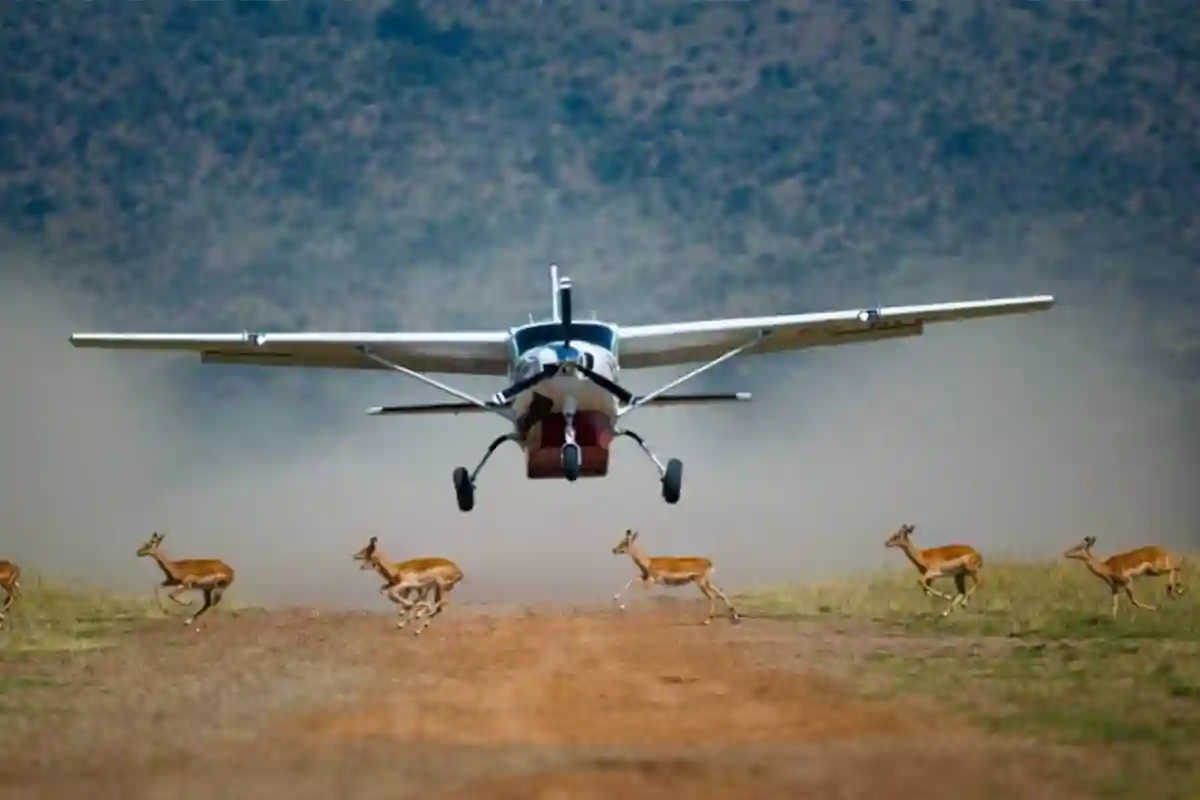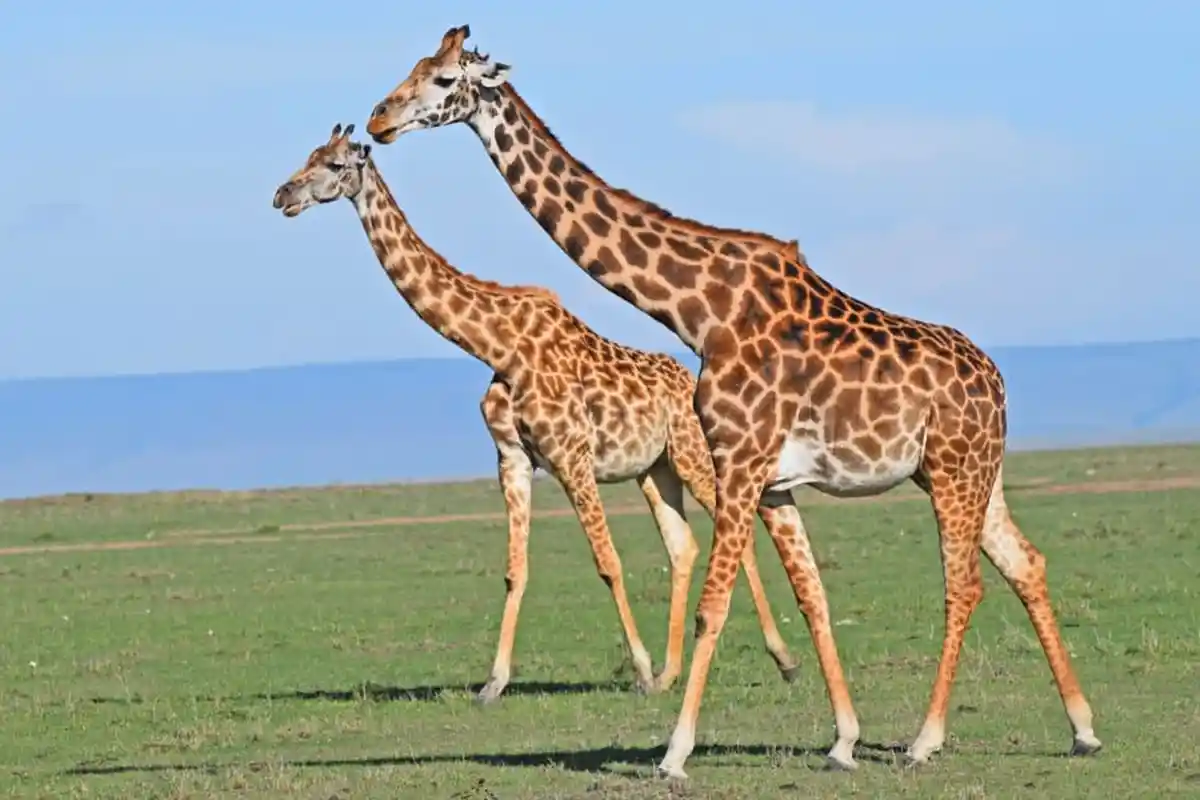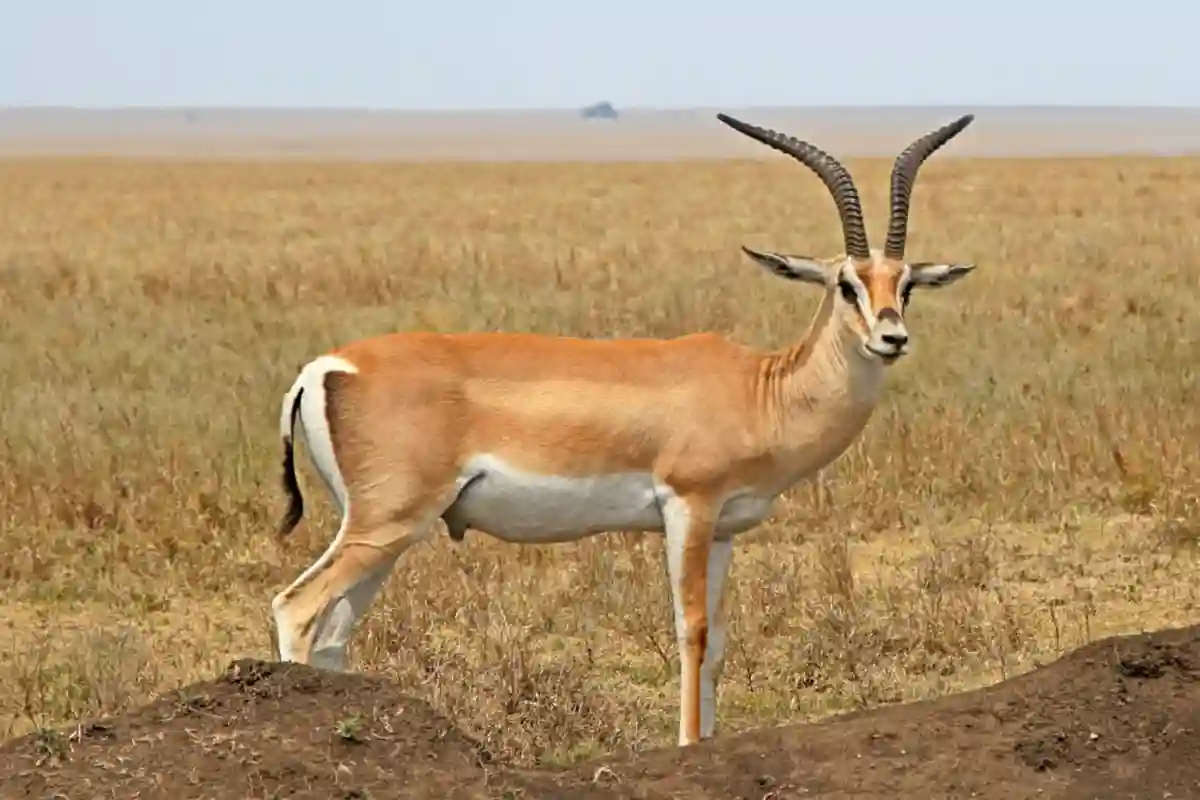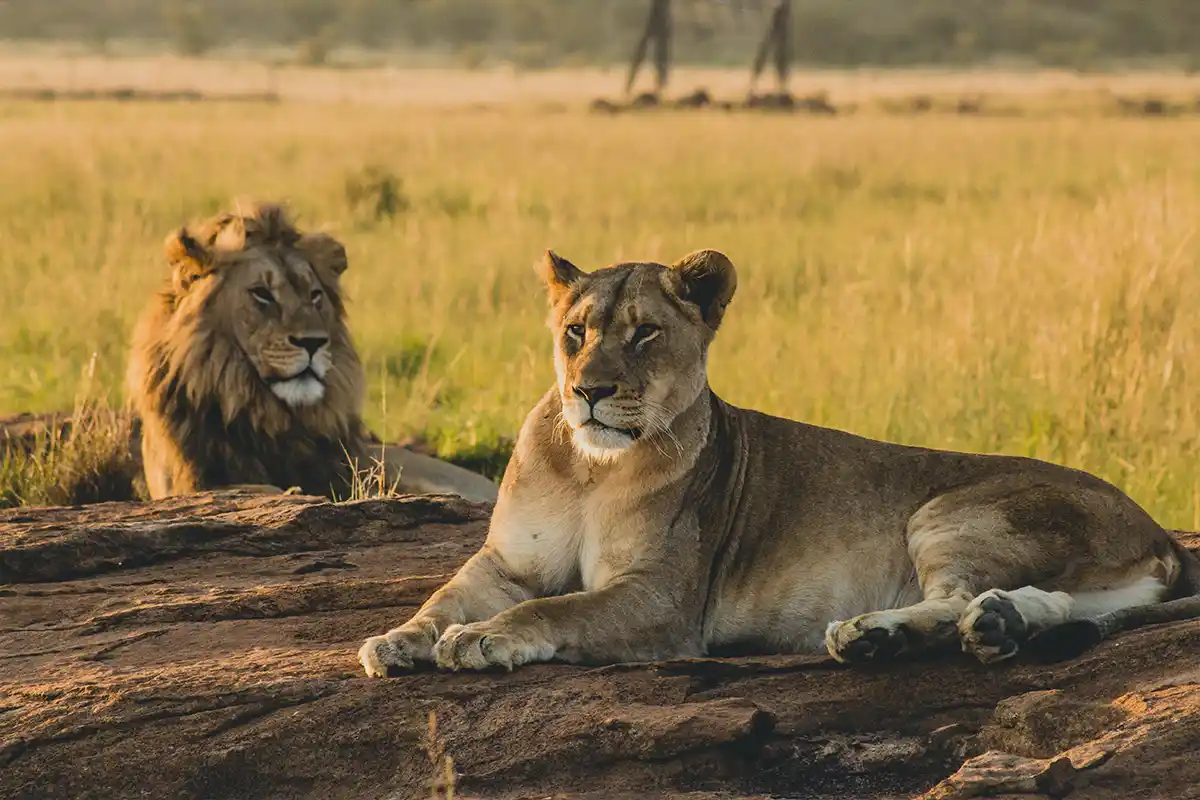
Serengeti National Park is Tanzania's most iconic safari destination—endless savannah, granite kopjes, and the wildlife-rich Central Serengeti around Seronera. With large populations of plains game and a healthy predator scene, it's one of the best places in East Africa to look for lion, cheetah, leopard, elephant, and more on classic game drives.
Established in 1951, the Serengeti is Tanzania's oldest and most famous national park, designated a UNESCO World Heritage site for its exceptional natural beauty and ecological importance. The park forms the core of the greater Serengeti ecosystem, which extends into the Ngorongoro Conservation Area, Maswa Game Reserve, and Kenya's Maasai Mara—together protecting over 30,000 square kilometers of savannah. This vast protected area allows the migration to function as it has for millennia, with wildlife moving freely across international boundaries in search of fresh grazing and water.
Central Serengeti is a year-round highlight thanks to reliable water sources, resident wildlife, and excellent predator sightings. The iconic kopjes (rock outcrops) create natural lookout points and shelter for lions and leopards, while open plains make it easier to spot cheetah and large herds at a distance. The Seronera River, flowing year-round through this region, attracts concentrations of wildlife even during dry months, ensuring quality game viewing regardless of migration timing. This reliability makes Central Serengeti the ideal base for shorter safaris—you're virtually guaranteed excellent wildlife experiences even if the migration has moved elsewhere.
The park's ecological zones create distinct wildlife experiences. The Southern Serengeti's short-grass plains support the calving herds from December to March, when over 8,000 wildebeest calves are born daily—predator heaven. The Western Corridor's woodlands and rivers host the Grumeti River crossings (June-July), where massive crocodiles ambush migrating herds. The Northern Serengeti's rolling hills and dense bush offer the famous Mara River crossings (July-October) and excellent elephant viewing year-round. The remote Lobo area in the northeast provides dry-season concentrations of wildlife around permanent water. Understanding these zones helps your guide design game drives that maximize your chances for specific sightings based on your interests.
Birdlife in the Serengeti rivals its mammal attractions, with over 500 species recorded. The park is a premier destination for bird enthusiasts, with resident species including ostriches, secretary birds, kori bustards (the world's heaviest flying bird), and 28 raptor species including martial eagles, bateleurs, and vultures. During November-April, European migrants arrive—over 100 species including bee-eaters, rollers, and warblers add color and activity. The park's varied habitats—from riverine forest to open plains to acacia woodland—support distinct bird communities, ensuring each game drive reveals new species even for experienced birders.
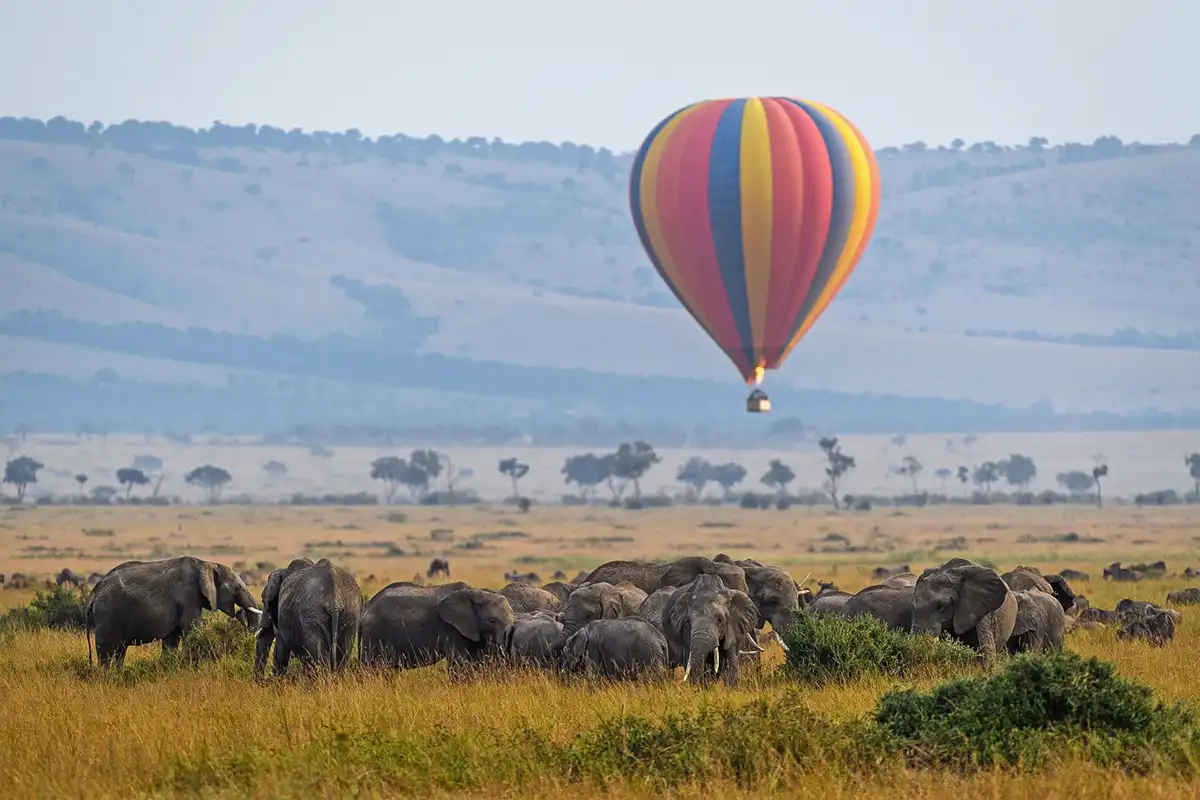
Photography in the Serengeti rewards both professionals and amateurs. The open terrain allows for clean compositions without visual clutter, while the golden light at dawn and dusk paints the plains in warm hues. Kopjes provide natural framing devices, and the vast skies create dramatic cloud formations during the rainy season. The migration offers action photography opportunities unmatched elsewhere—river crossings, predator interactions, and massive herds on the move. Hot air balloon safaris provide aerial perspectives impossible from ground level. Your guide understands photographic needs—positioning vehicles for optimal light, anticipating animal movements, and allowing time for patient shooting without rushing to the next sighting.
Beyond the Migration, Serengeti offers classic safari moments: early-morning drives with golden light, dramatic sunsets over the plains, and the chance to follow animal behavior over multiple days. Patient guiding often rewards you with hunting scenes, cubs at play, and rich birdlife around waterholes and seasonal pans. The park's scale and sense of wilderness create immersive experiences that linger in memory long after you've returned home—the sounds of hyenas calling at night, the sight of a lioness leading cubs across a kopje, the endless horizon stretching toward tomorrow.
Your Serengeti safari experience is elevated by carefully selected lodges and camps that place you in the heart of the action. From luxury lodges with panoramic views to intimate mobile camps that follow the migration, we offer accommodations to suit every style and budget. Click on any accommodation to learn more and view photos:
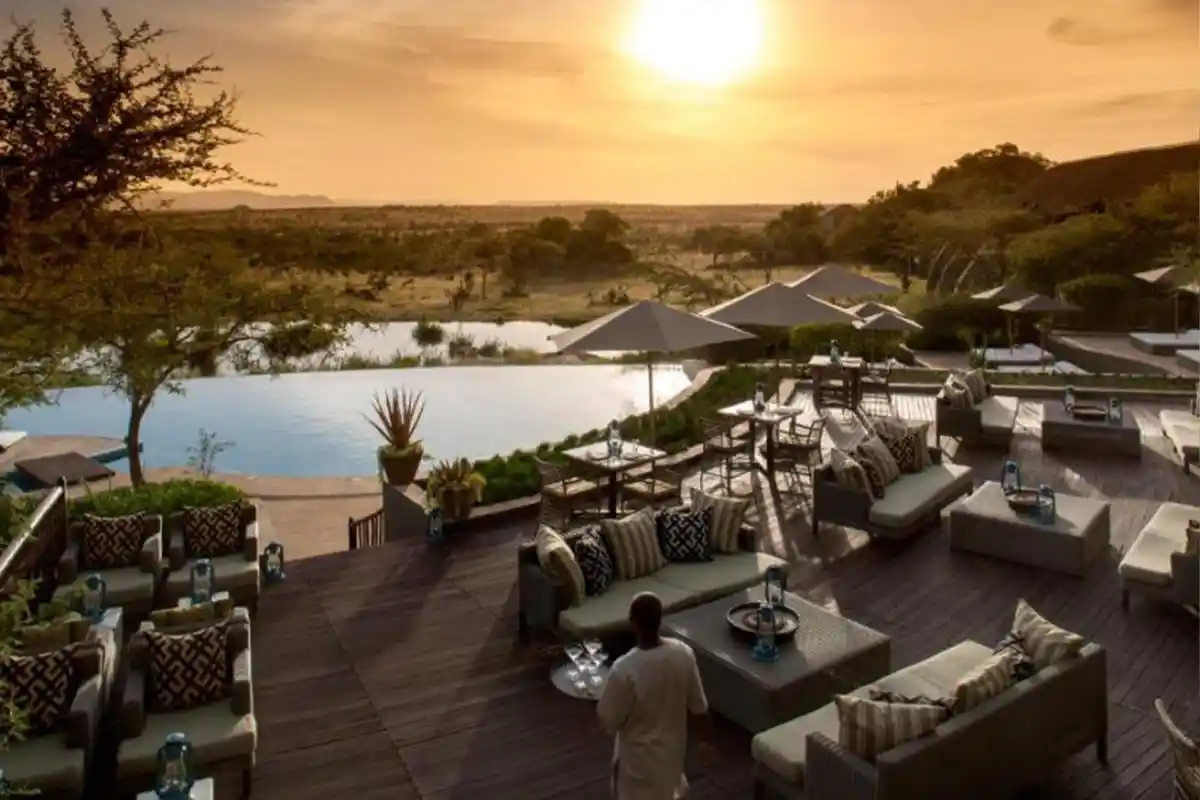
Ultra-luxury lodge overlooking a permanent waterhole that attracts elephants, buffalo, and more. Features infinity pool, world-class spa, and exquisite dining—wildlife viewing from your room.
View Details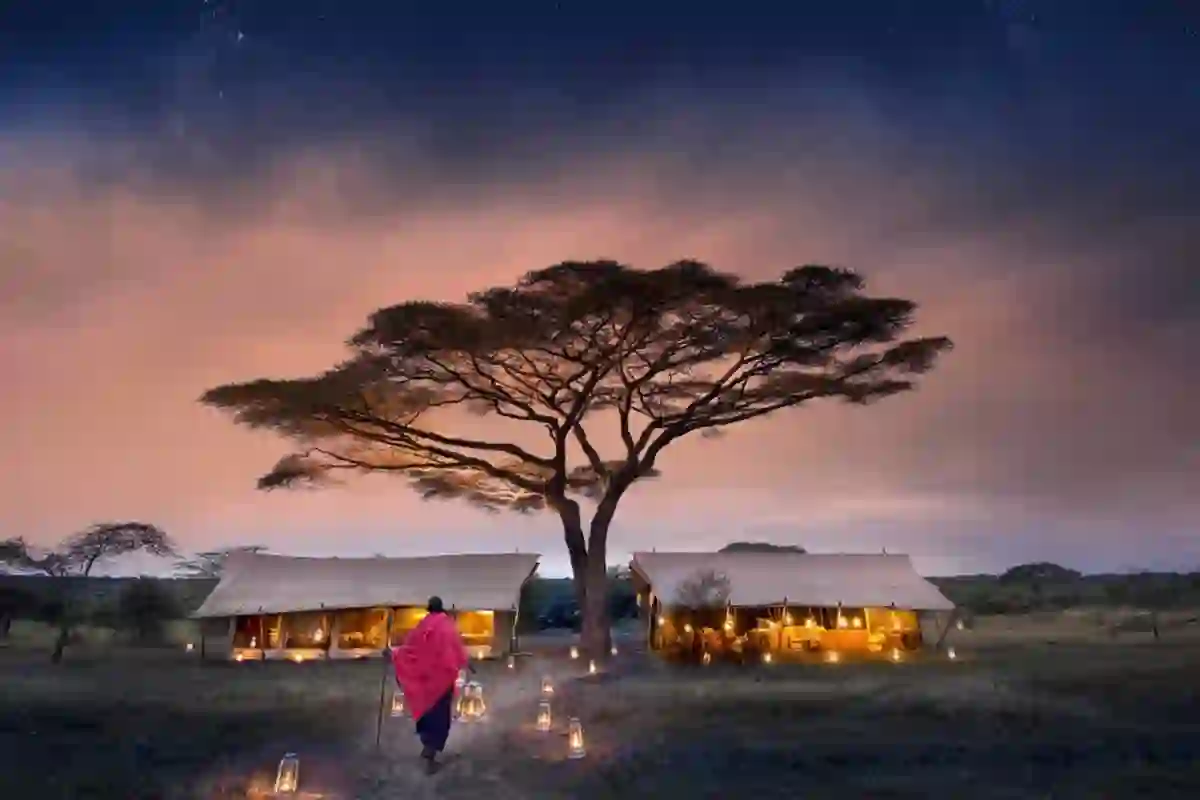
Authentic mobile camping experience that moves with the migration. Spacious tents with en-suite bathrooms, gourmet meals under the stars, and front-row seats to the greatest wildlife show on earth.
View Details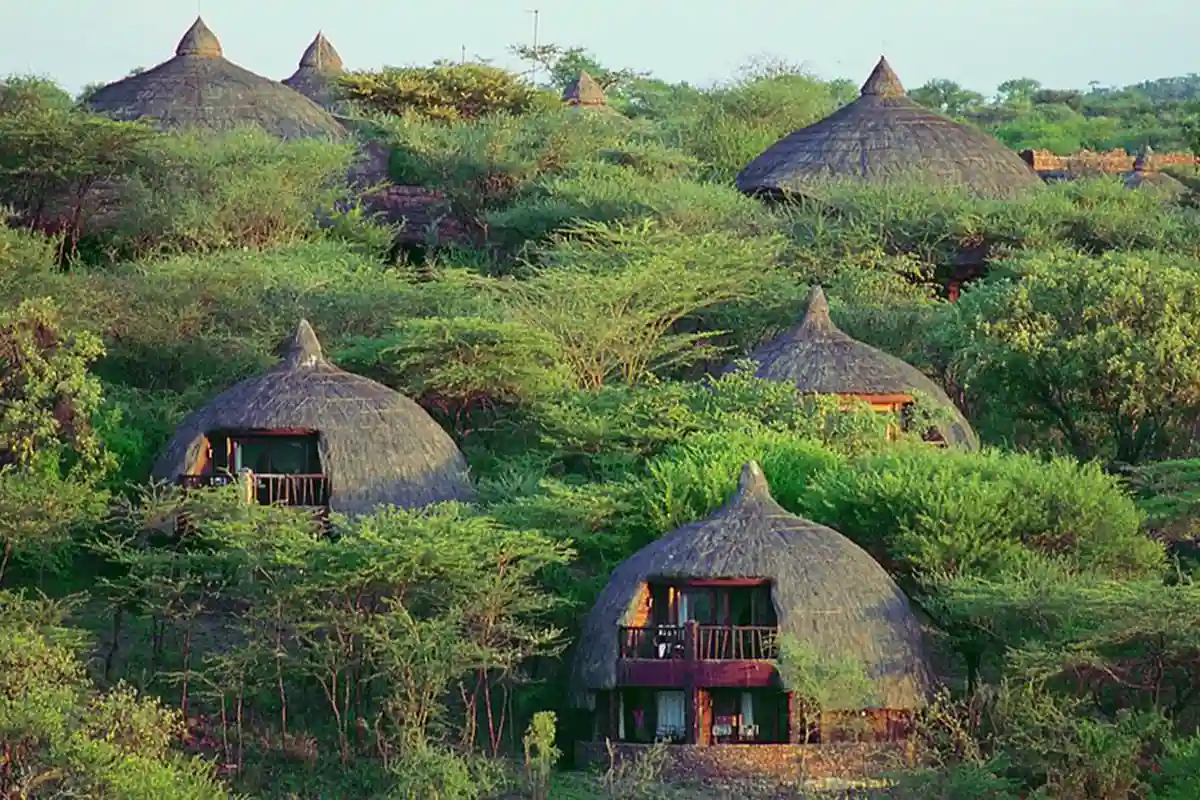
Perched on a kopje with sweeping plains views, this lodge combines traditional architecture with modern comfort. Excellent mid-range option with friendly service and prime location near Seronera.
View Details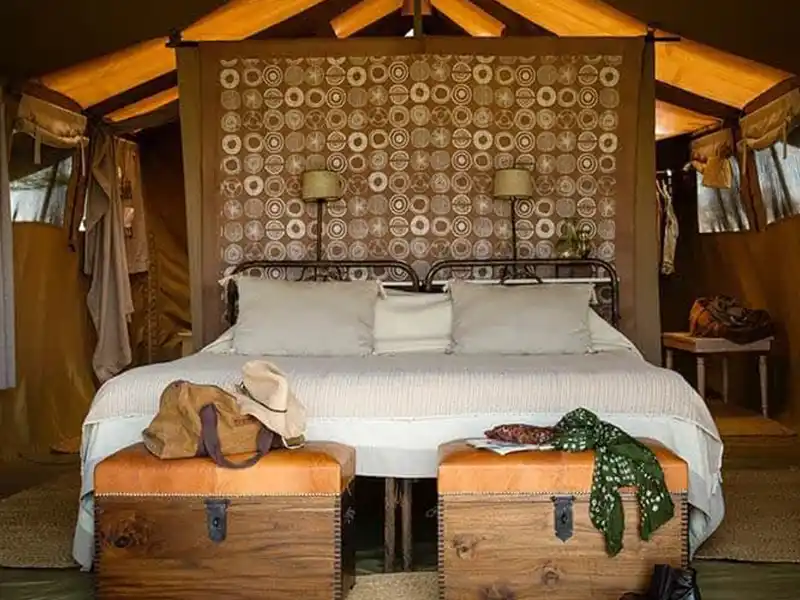
Intimate seasonal camp in the remote Lamai Wedge (northern Serengeti) with just six tents. Perfect for Mara River crossings (July-October) with exceptional guiding and understated luxury.
View Details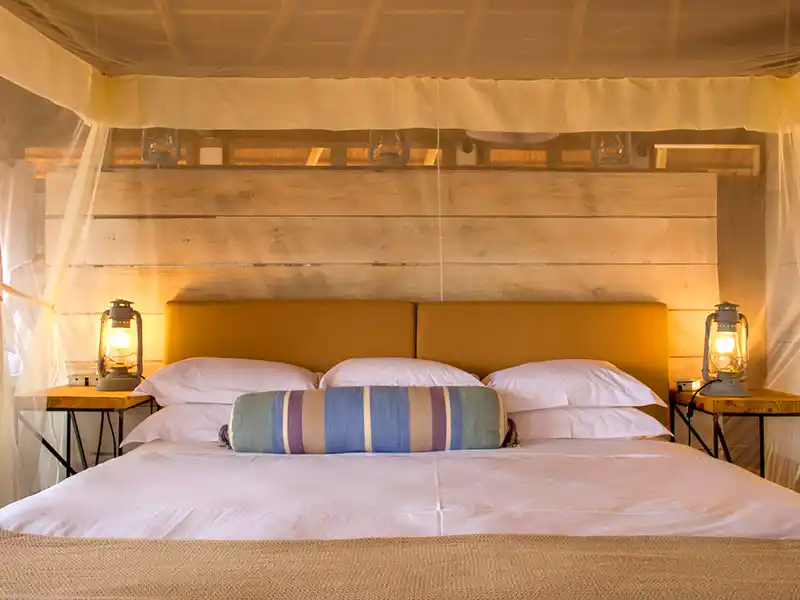
Central Serengeti's most popular mid-range camp, featuring spacious canvas tents with en-suite bathrooms. Great value, friendly staff, and prime location for exploring Seronera Valley.
View Details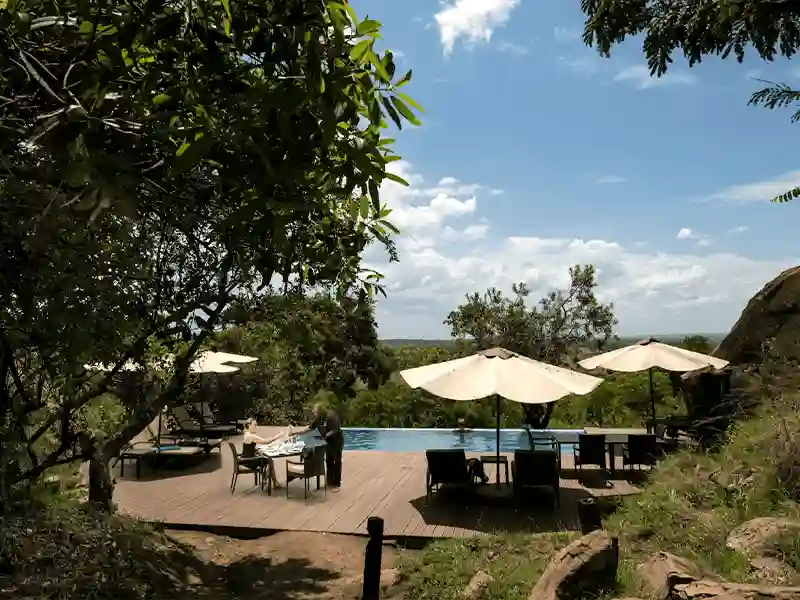
Luxury lodge in northern Serengeti with stunning valley views. Spacious suites with private plunge pools, excellent guiding, and prime position for Mara River crossings during migration season.
View DetailsAccommodation Note: These are just a selection of our preferred partners. We work with lodges and camps across all budget ranges—from budget-friendly public campsites to exclusive-use private villas. Your personal safari consultant will recommend properties that match your style, budget, and desired Serengeti experience. All accommodations can be mixed and matched across different regions to create your perfect 4-day Serengeti itinerary.
The Serengeti offers exceptional wildlife viewing year-round, but the best time to visit depends entirely on what you want to see. The Great Migration follows seasonal patterns, and different regions shine during different months. Here's our comprehensive guide to help you choose the perfect time for your 4-day Serengeti safari:
| Month | Location | Migration Activity | Rating |
|---|---|---|---|
| January | Southern Serengeti (Ndutu) | Calving season begins—thousands of calves born daily | Excellent |
| February | Southern Serengeti (Ndutu) | Peak calving—predator action at its best | Excellent |
| March | Southern Serengeti | Calving continues, herds begin moving west | Good |
| April | Western Corridor | Herds move west, long rains (green season) | Fair |
| May | Western Corridor | Herds gather, preparing for Grumeti crossings | Good |
| June | Western Corridor / Grumeti | Grumeti River crossings begin | Excellent |
| July | Western / Northern Serengeti | Peak Grumeti crossings, herds push north | Excellent |
| August | Northern Serengeti (Kogatende) | Herds reach northern Serengeti, Mara approaches | Excellent |
| September | Northern Serengeti (Mara River) | Dramatic Mara River crossings | Excellent |
| October | Northern Serengeti | Mara River crossings continue | Excellent |
| November | Northern / Central Serengeti | Herds begin moving south (short rains) | Good |
| December | Central / Southern Serengeti | Herds arrive in southern plains, calving approaches | Good |
Best Time: December - March
Highlights: Calving season (Jan-Feb), thousands of newborns, predator action (lions, cheetahs, hyenas), vast open plains, excellent for photography.
Note: This area overlaps with Ngorongoro Conservation Area, allowing off-road driving (unique advantage).
Best Time: May - July
Highlights: Grumeti River crossings, massive crocodiles, fewer crowds than Mara, dramatic riverine scenery.
Note: Crossings here are less frequent but more intimate than the Mara.
Best Time: July - October
Highlights: Spectacular Mara River crossings, large herds, excellent elephant sightings, rolling hills scenery.
Note: Peak season—book accommodations well in advance (6-12 months).
Best Time: Year-round
Highlights: Reliable wildlife viewing regardless of migration, high predator density, kopjes, excellent birding.
Note: Perfect base for 4-day safaris—guaranteed excellent experiences even if migration is elsewhere.
Planning Your 4-Day Safari: Tell us your preferred travel months, and we'll craft an itinerary that places you in the right region at the right time for the experiences you most want to see. Whether it's calving season in the south, river crossings in the north, or year-round resident wildlife in central Serengeti, we'll ensure your short safari delivers maximum impact.
If you'd like something truly special, a hot air balloon safari (available in select areas) offers a sunrise flight over the plains followed by a bush-style breakfast. Tell us your travel dates and interests, and we'll recommend the best Serengeti areas and a 4-day itinerary that matches your pace, budget, and wildlife priorities.
Browse our available safari packages: